
Organic Wine directly imported from Languedoc to Stockholm.
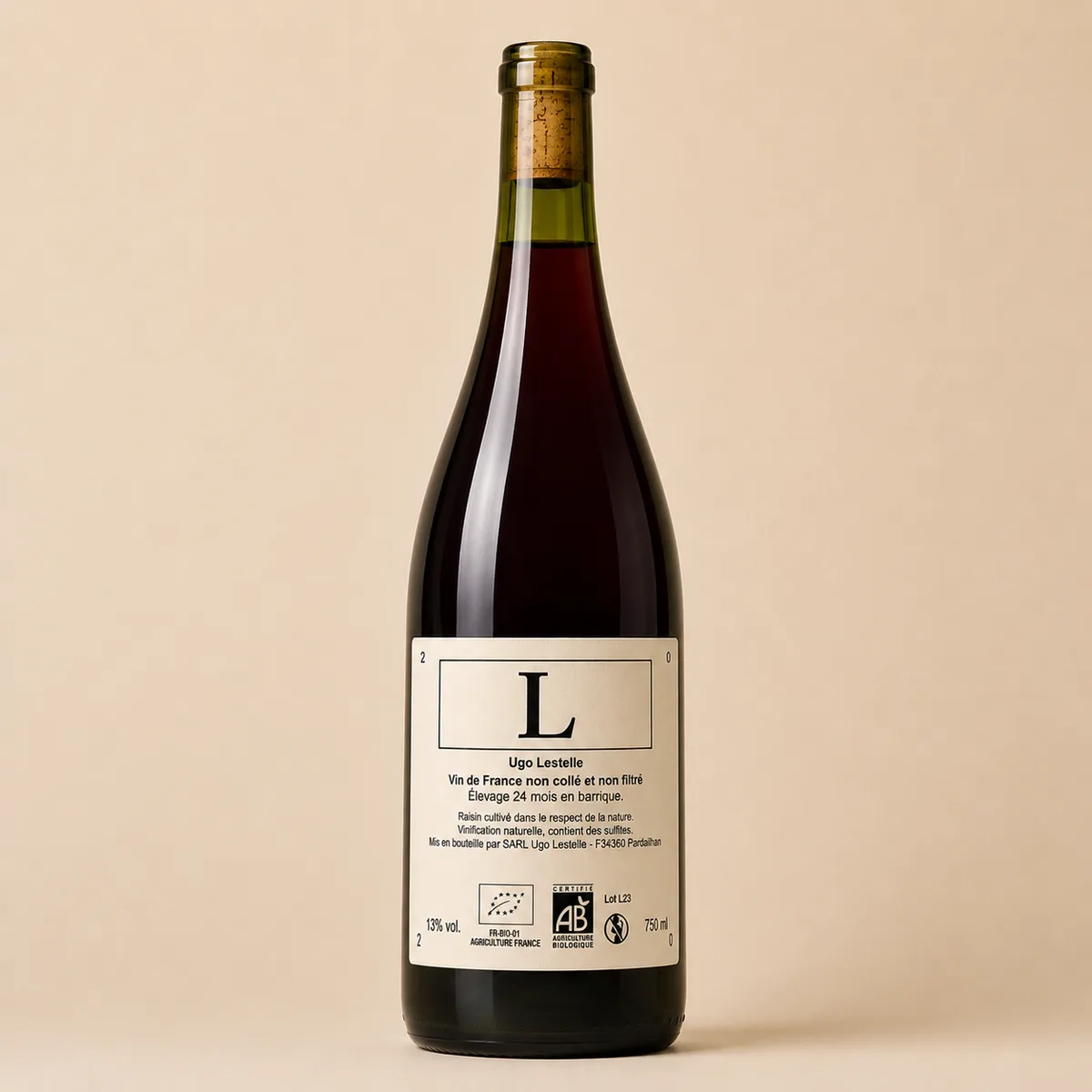
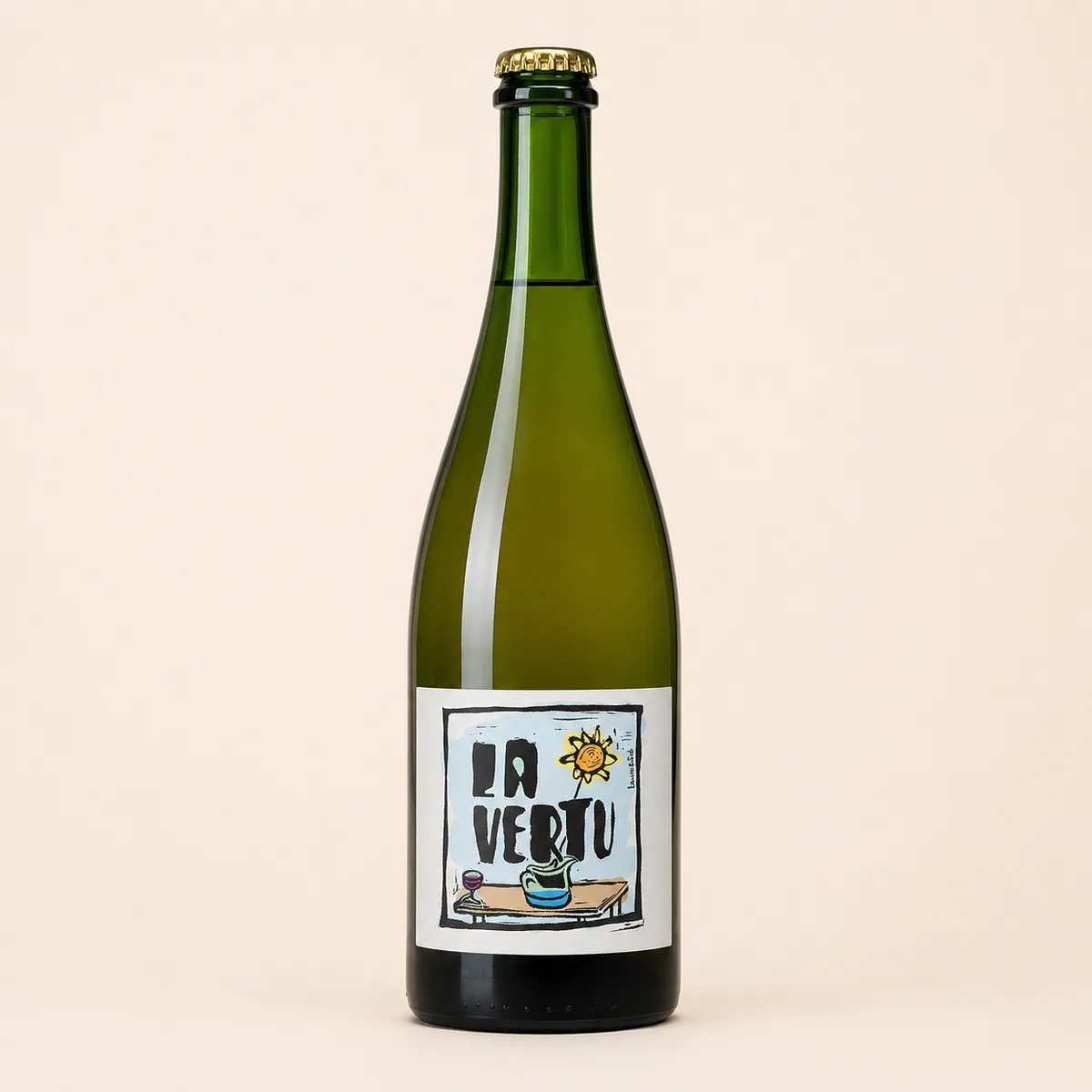
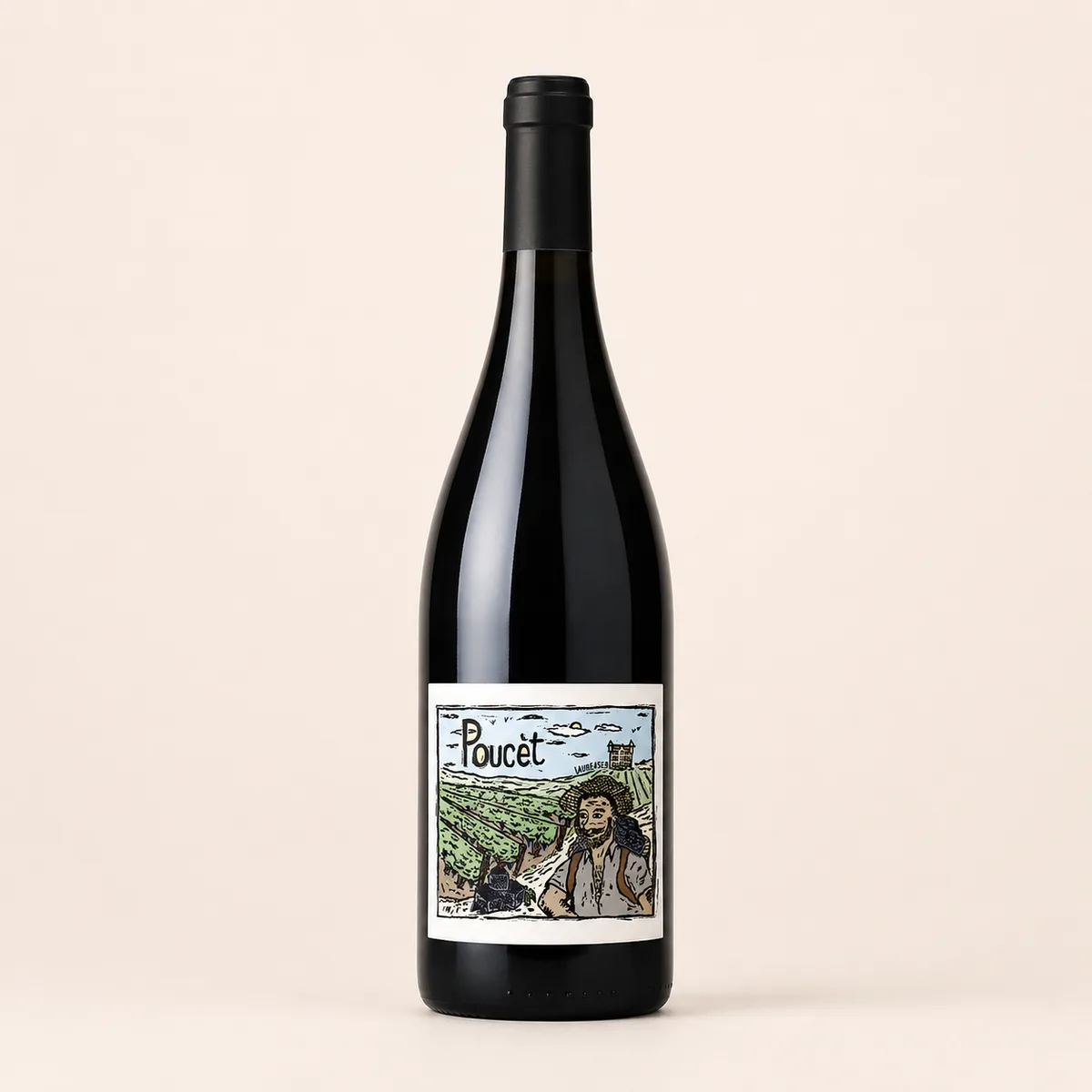
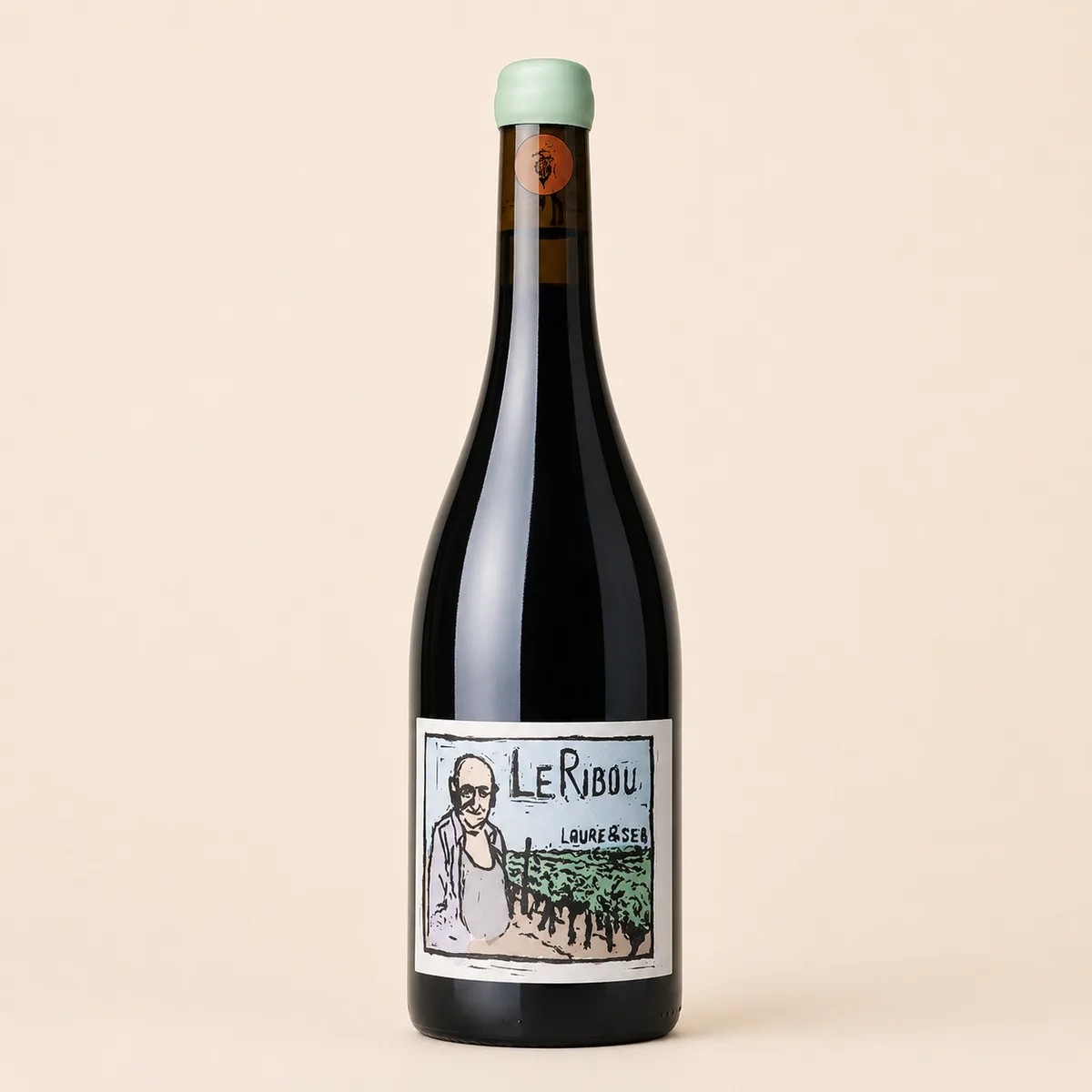
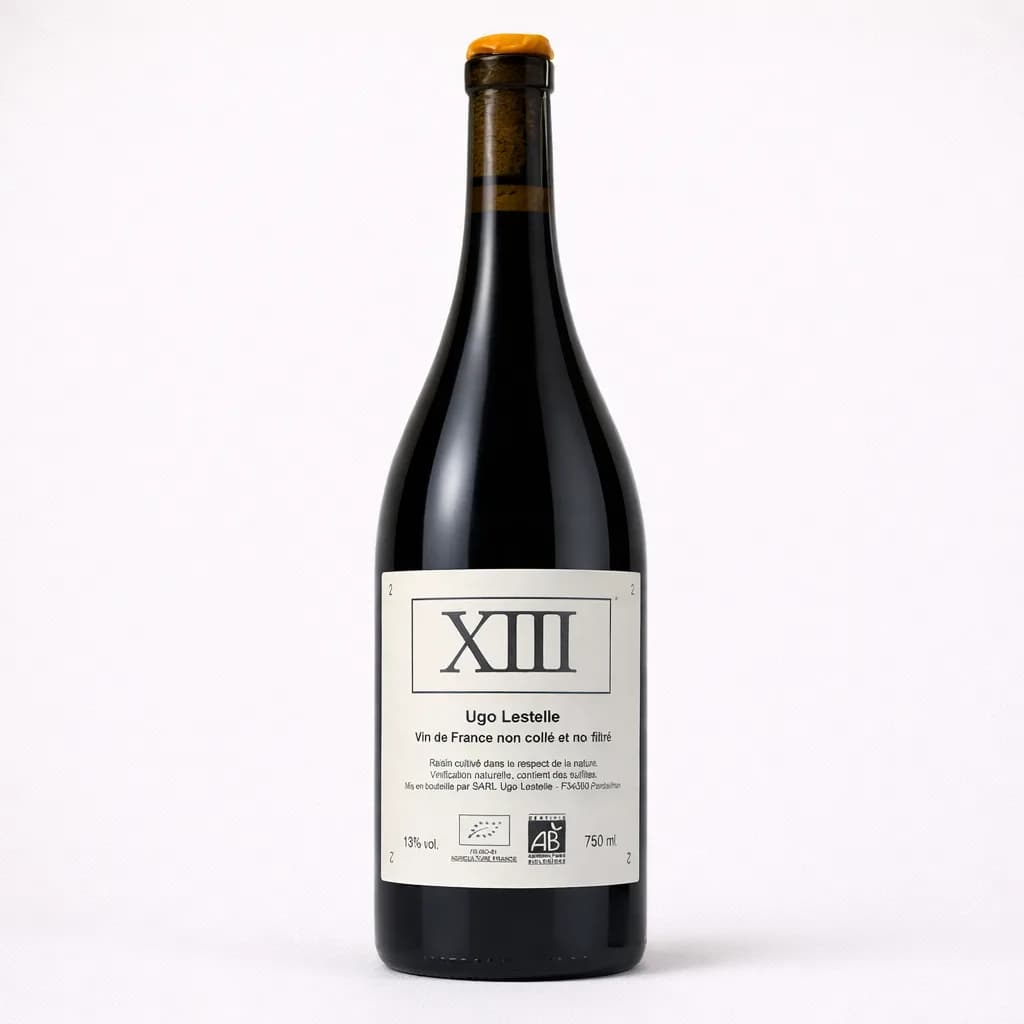
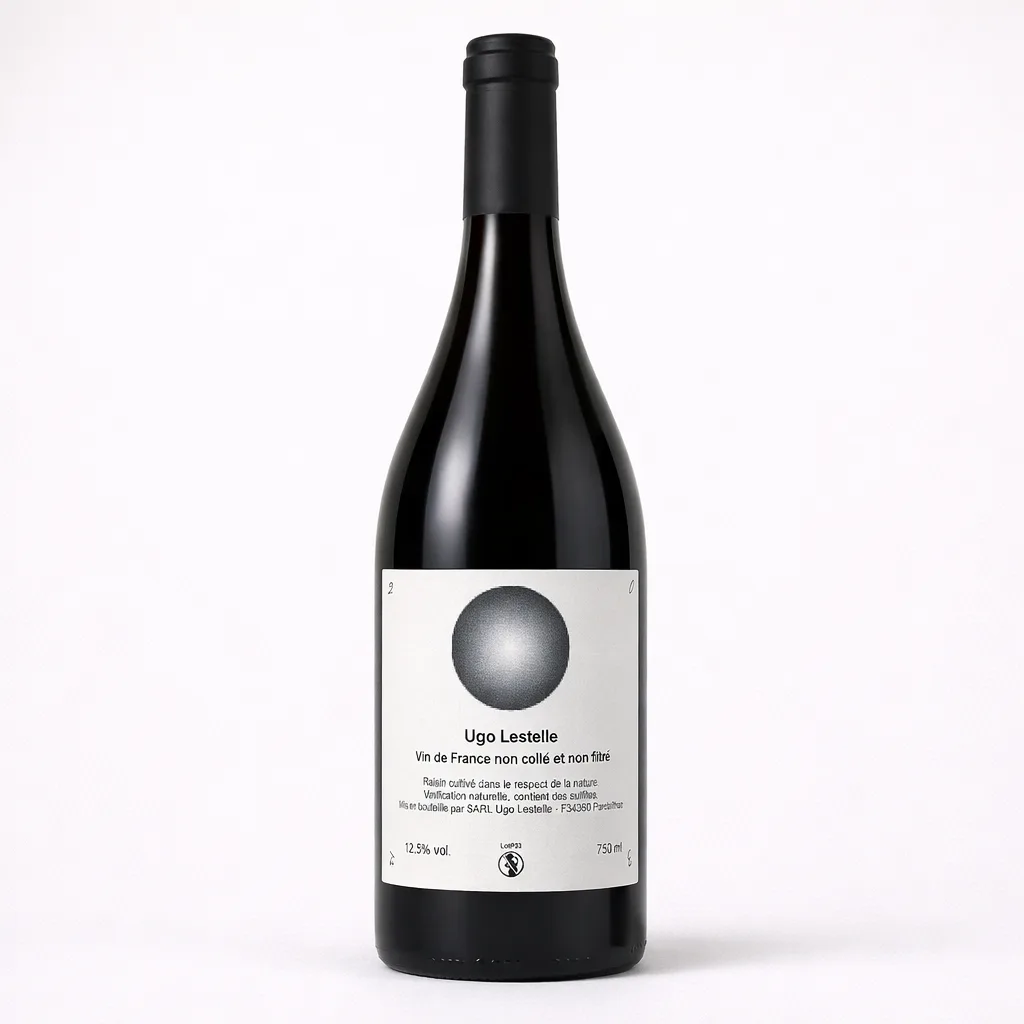
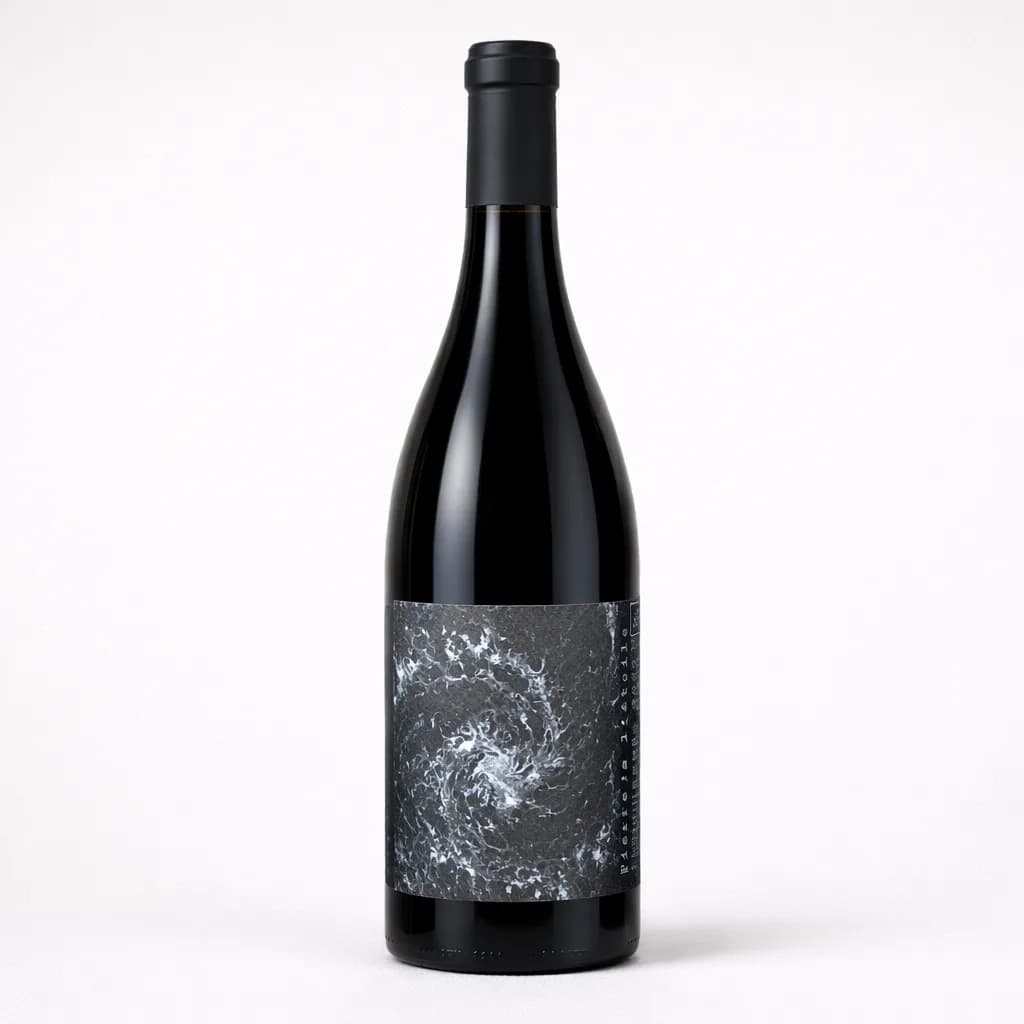
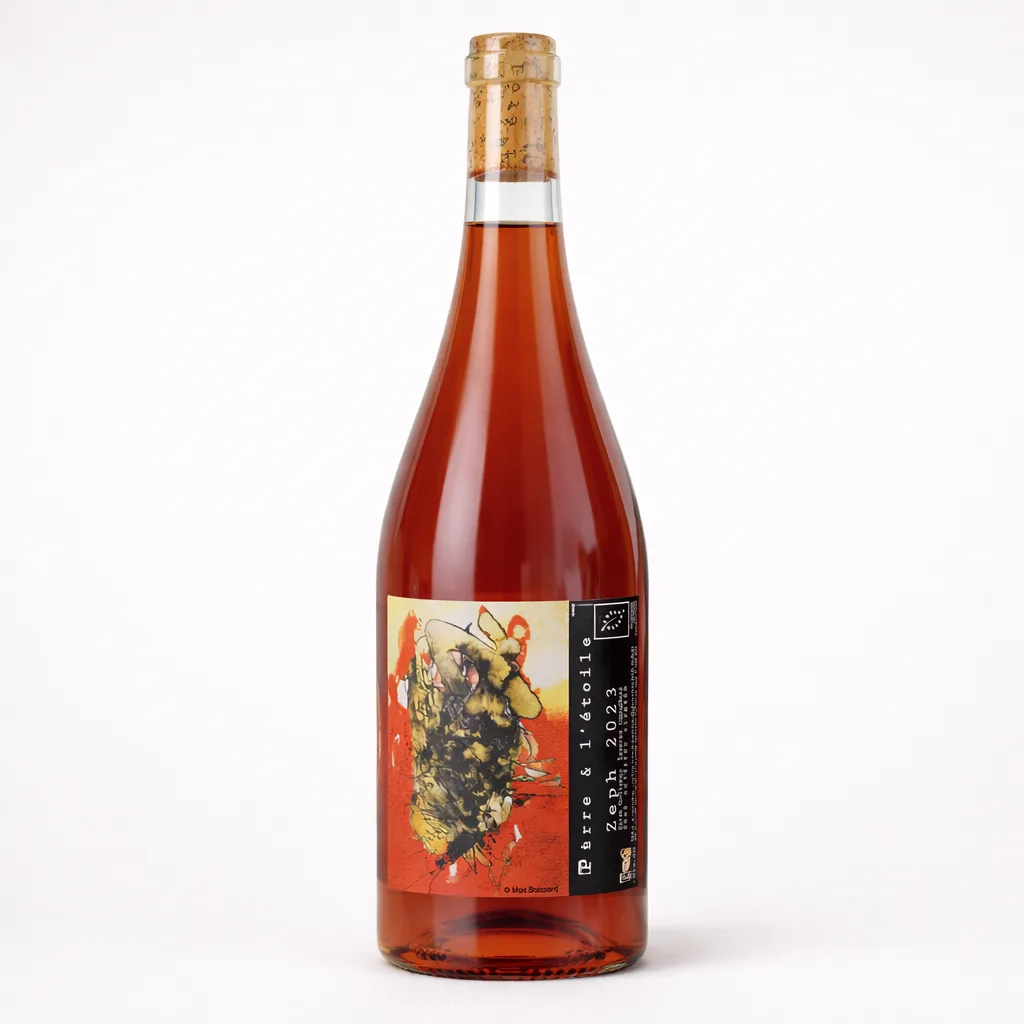
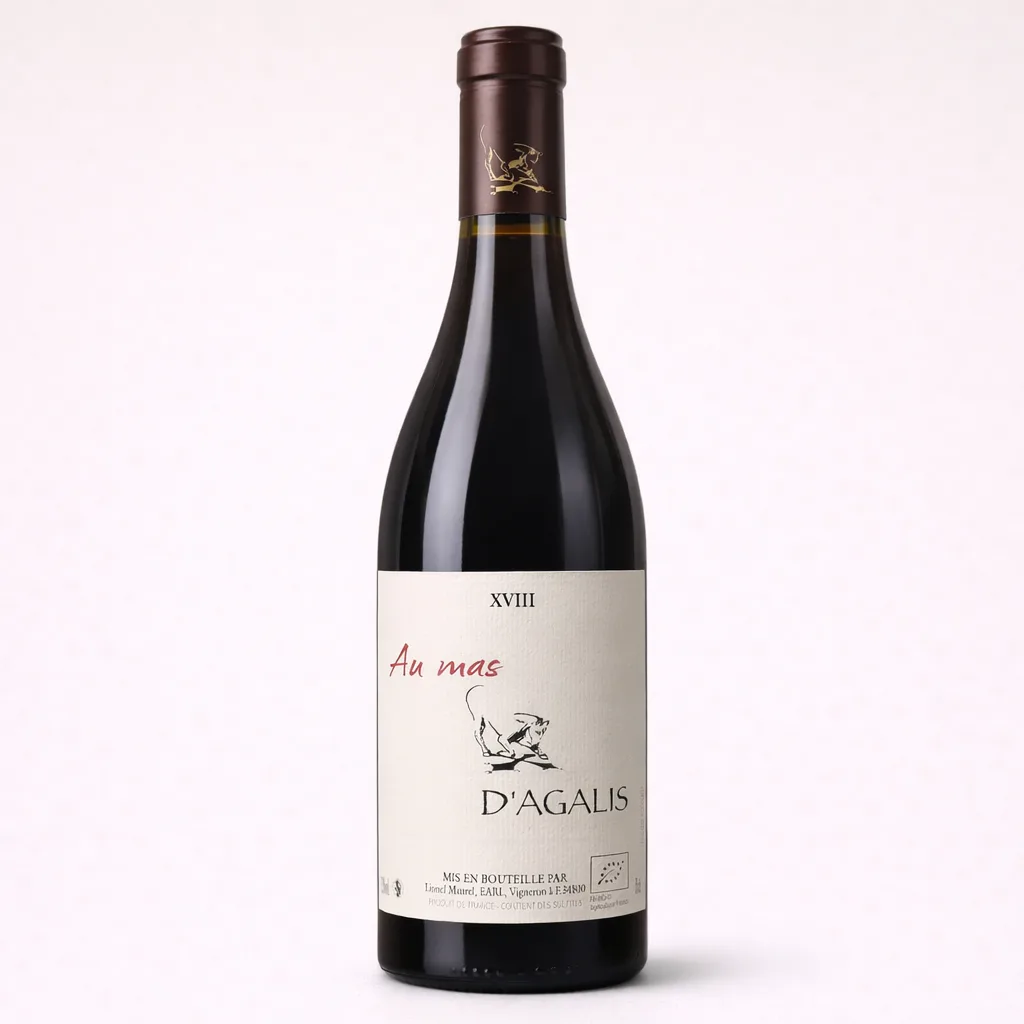
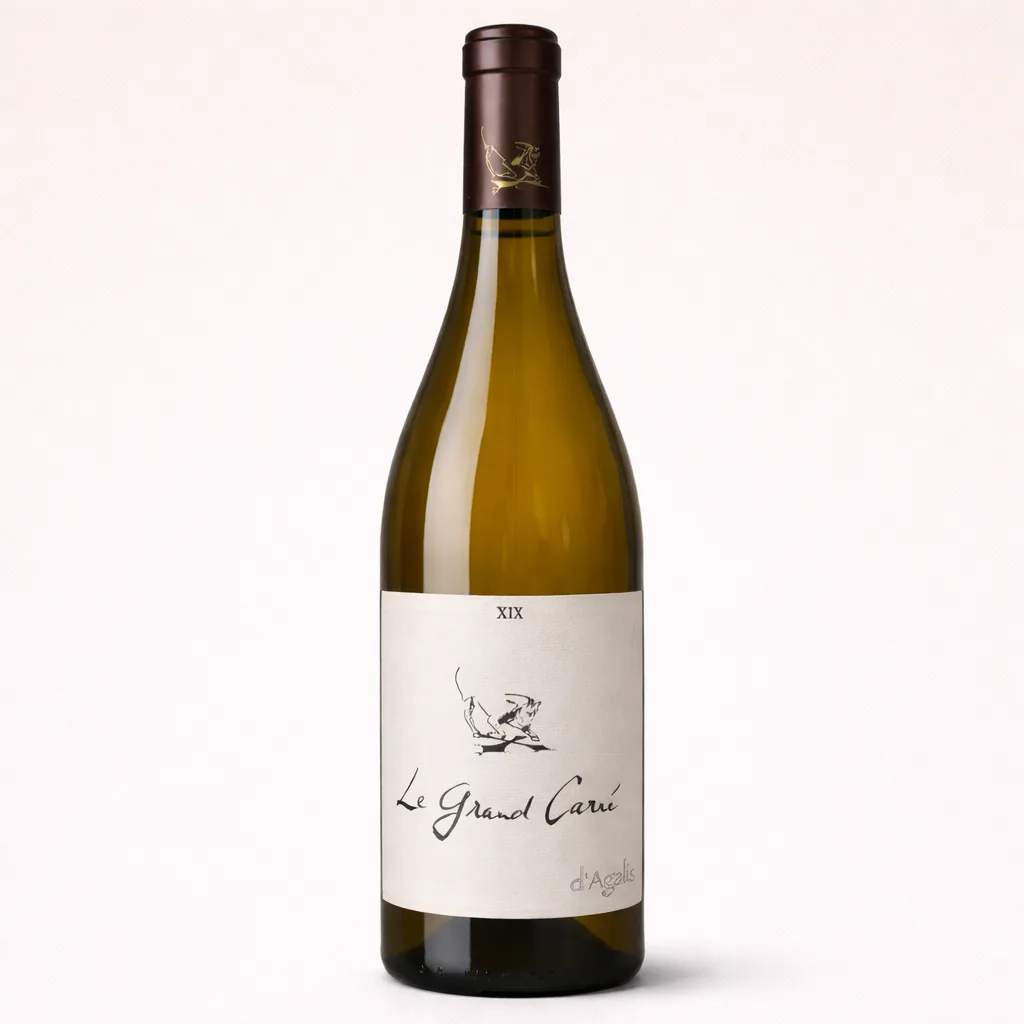
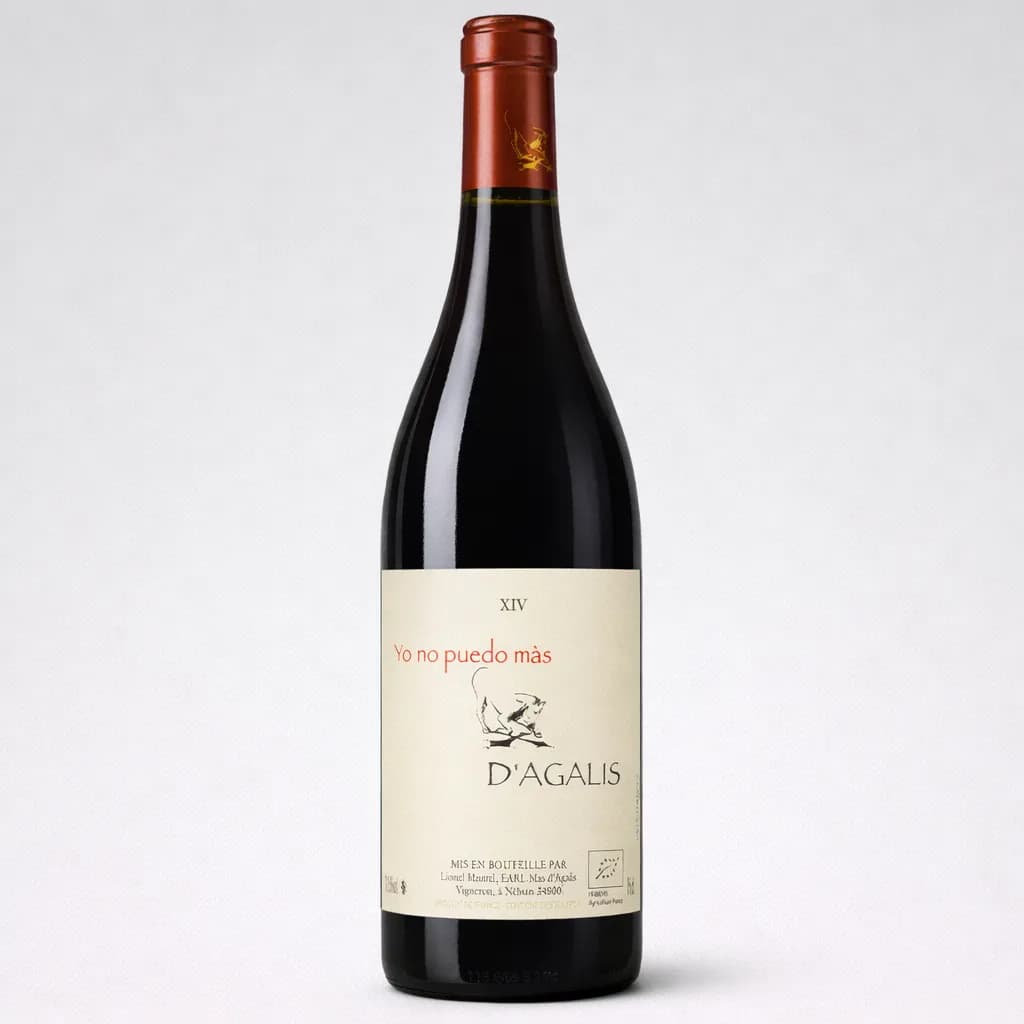
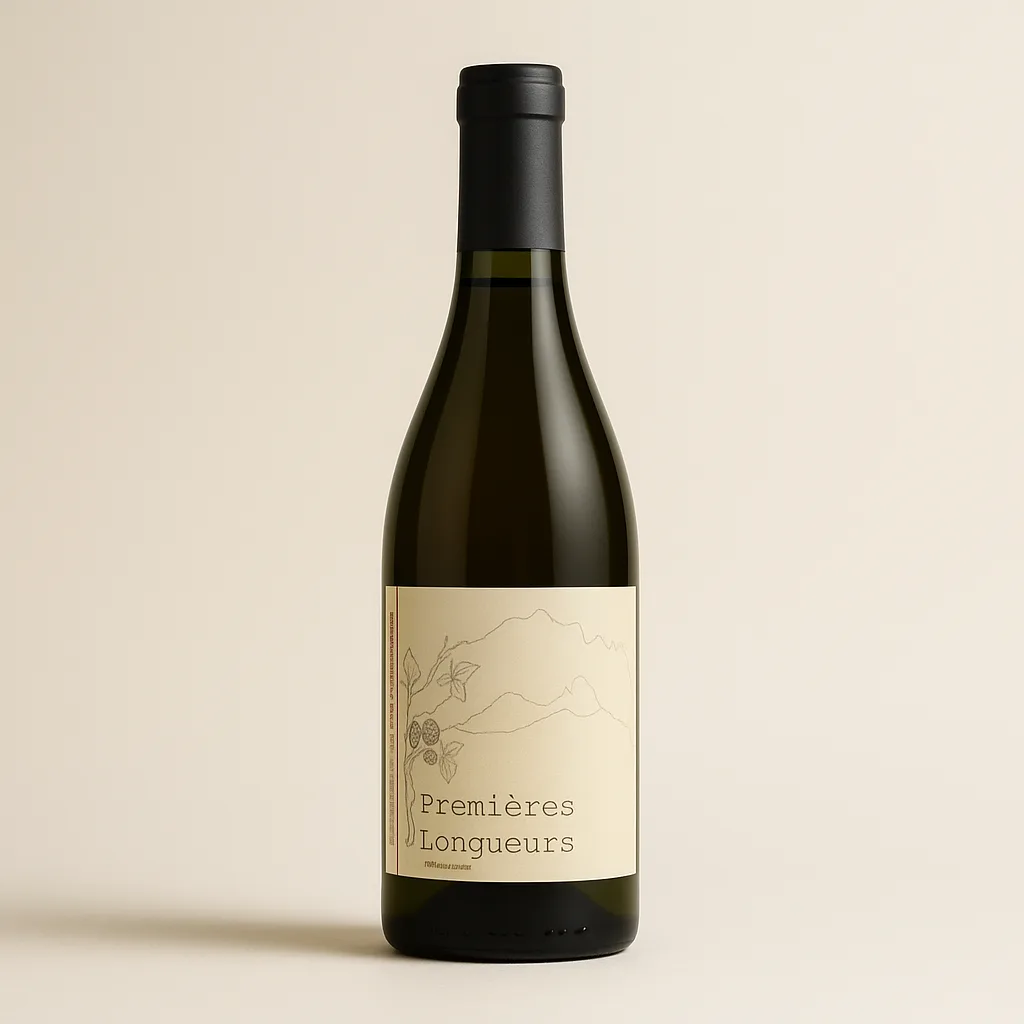
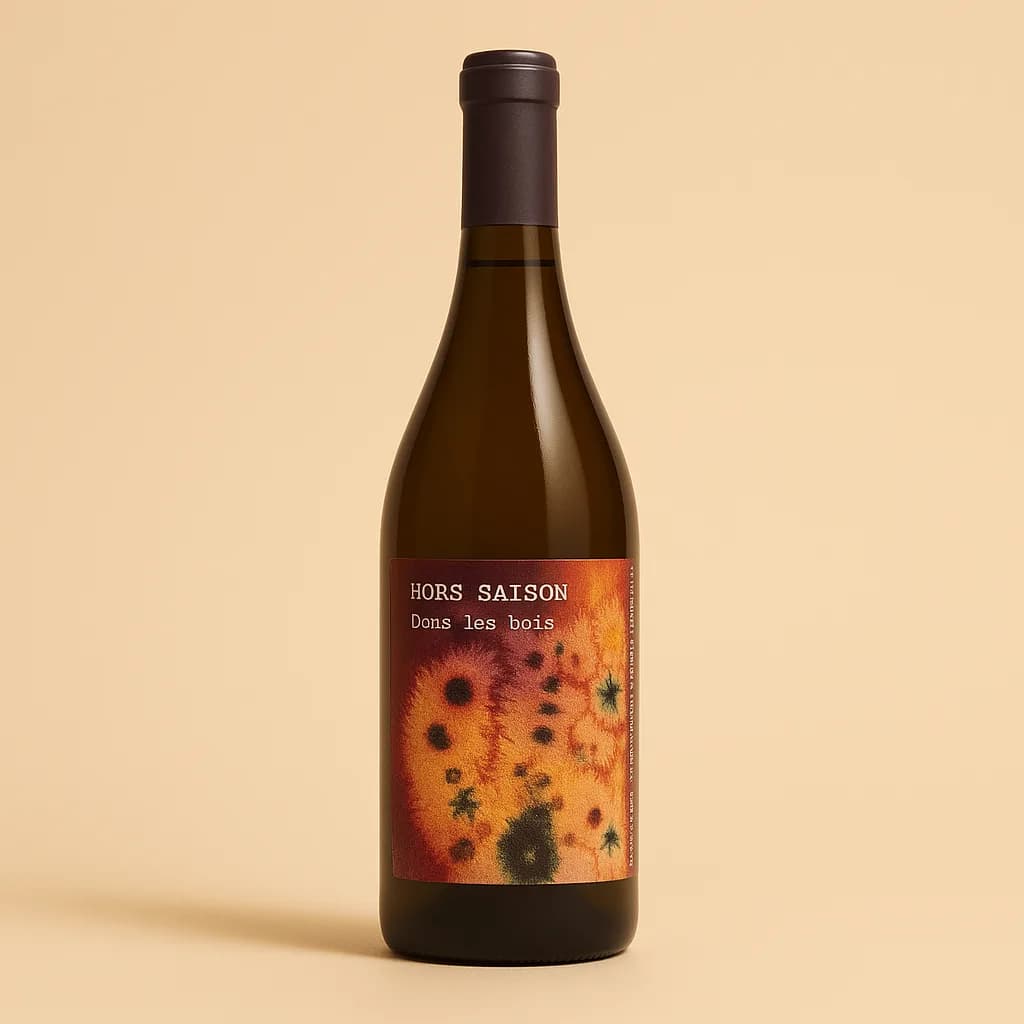
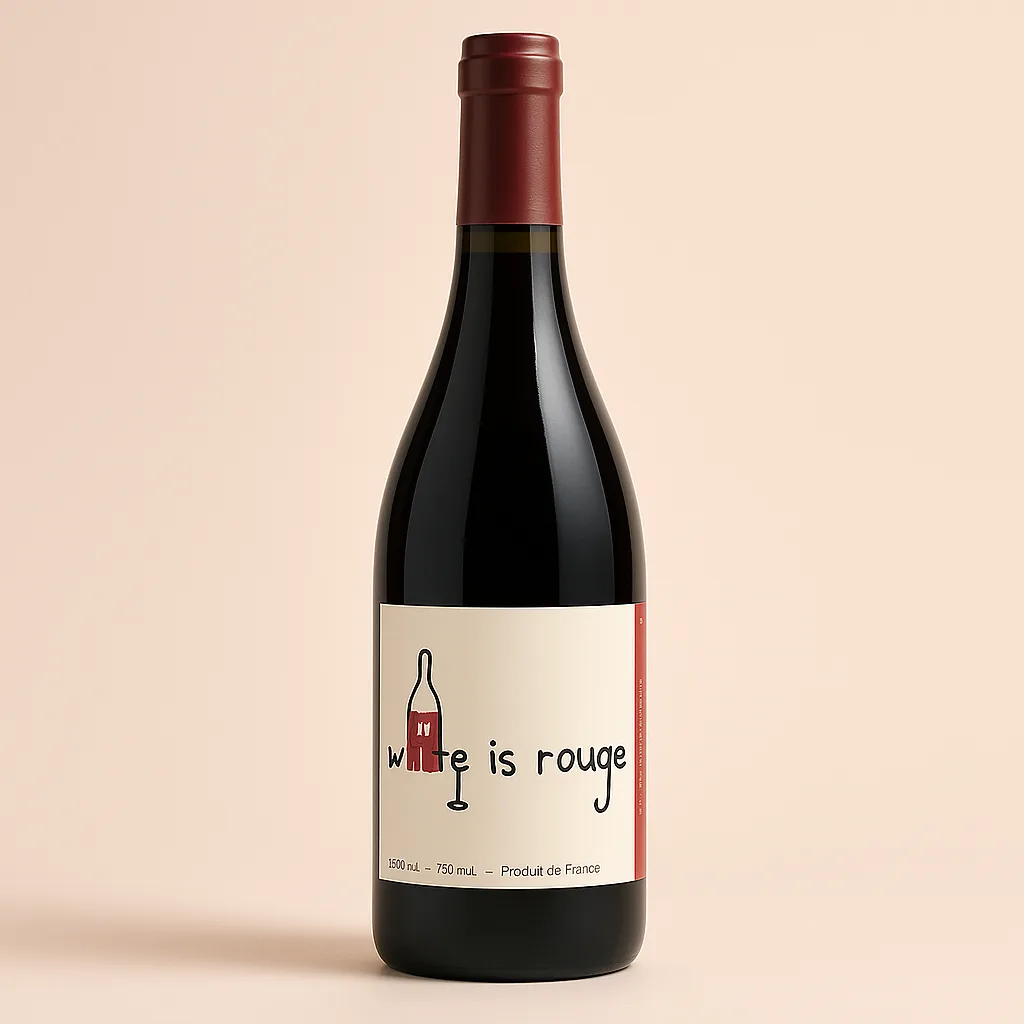
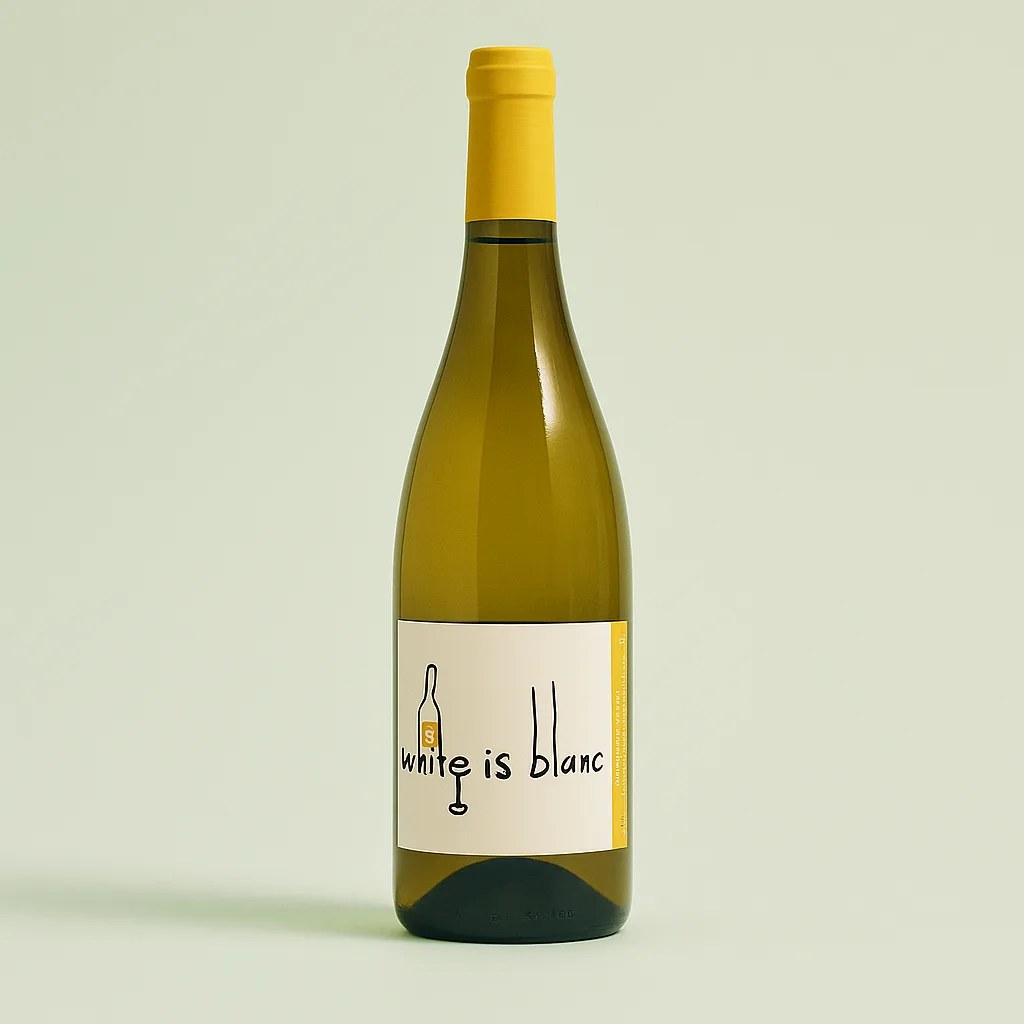
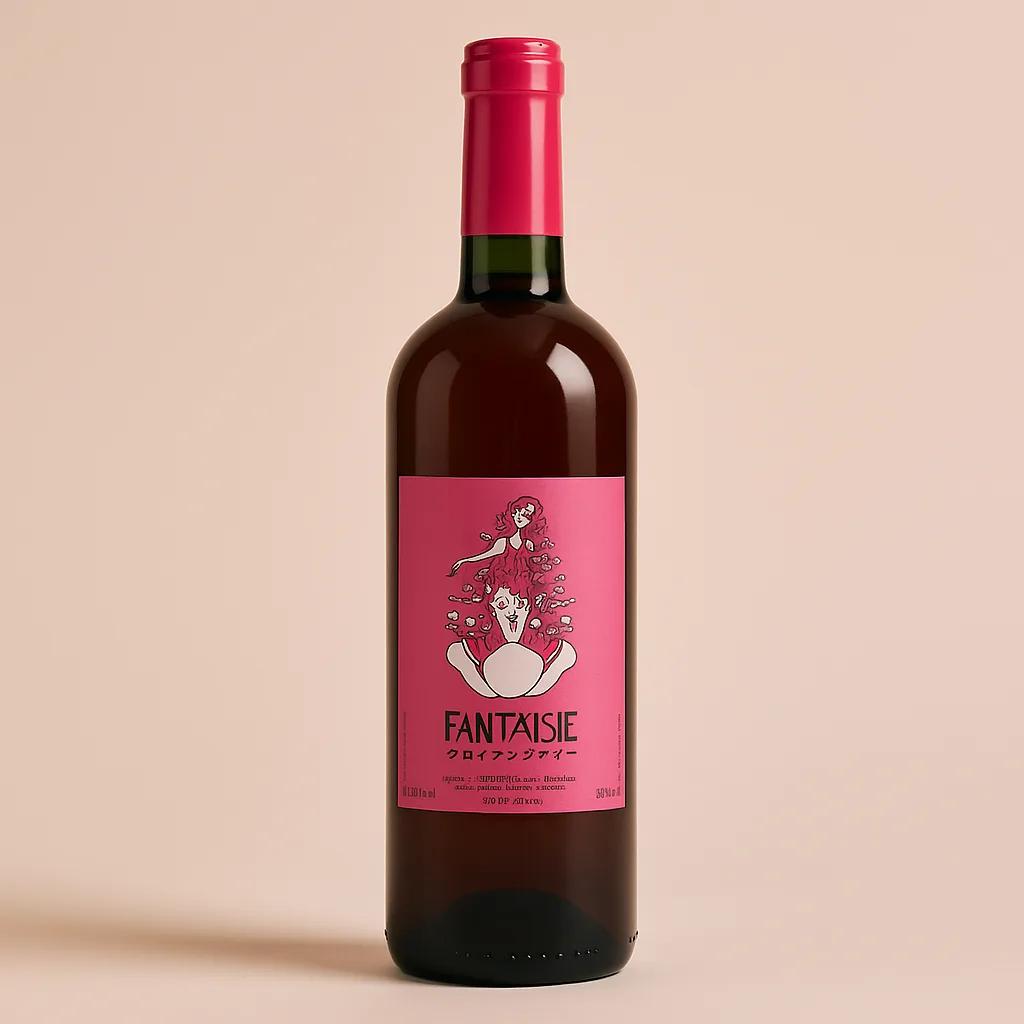
Fantaisie Rouge Clair 2024
Clos Fantine
Fantaisie Rouge Clair 2024
Clos Fantine
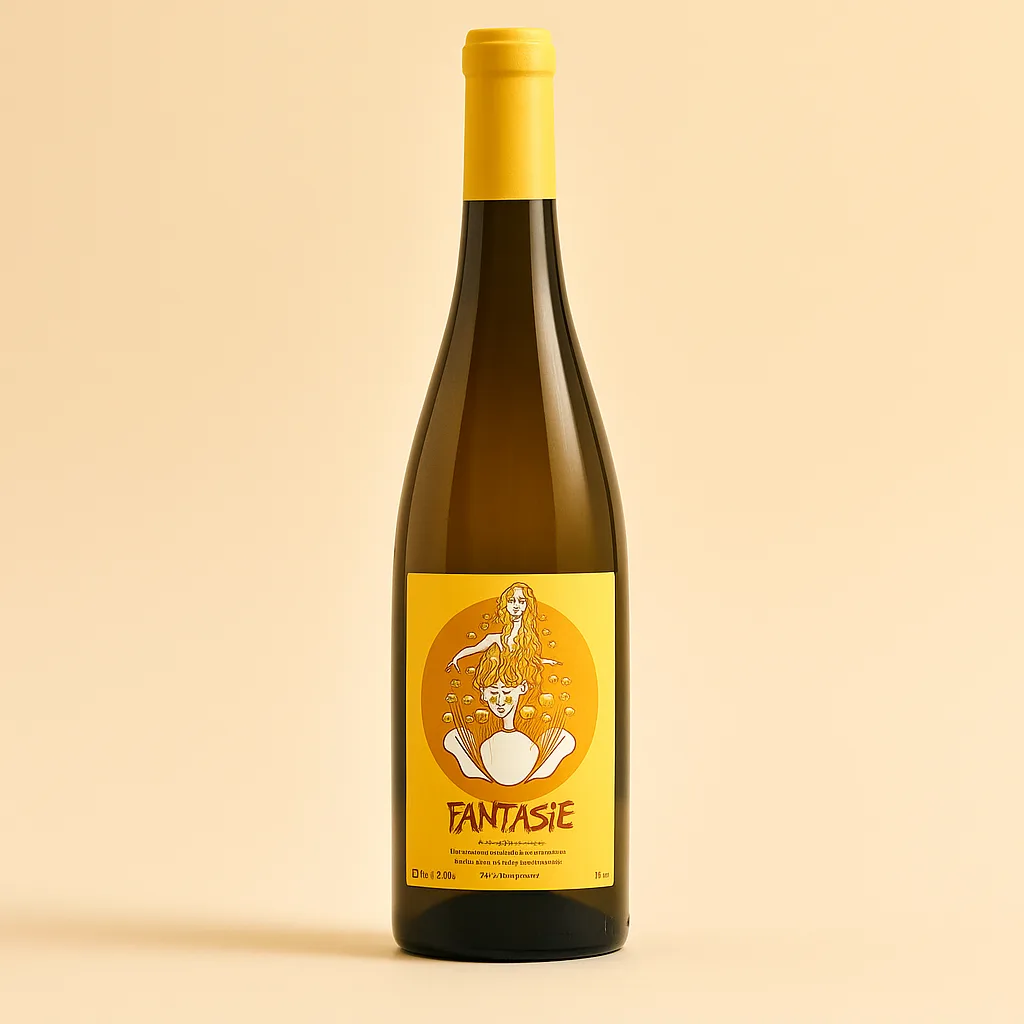
Fantaisie Orange 2024 2024
Clos Fantine
Fantaisie Orange 2024 2024
Clos Fantine
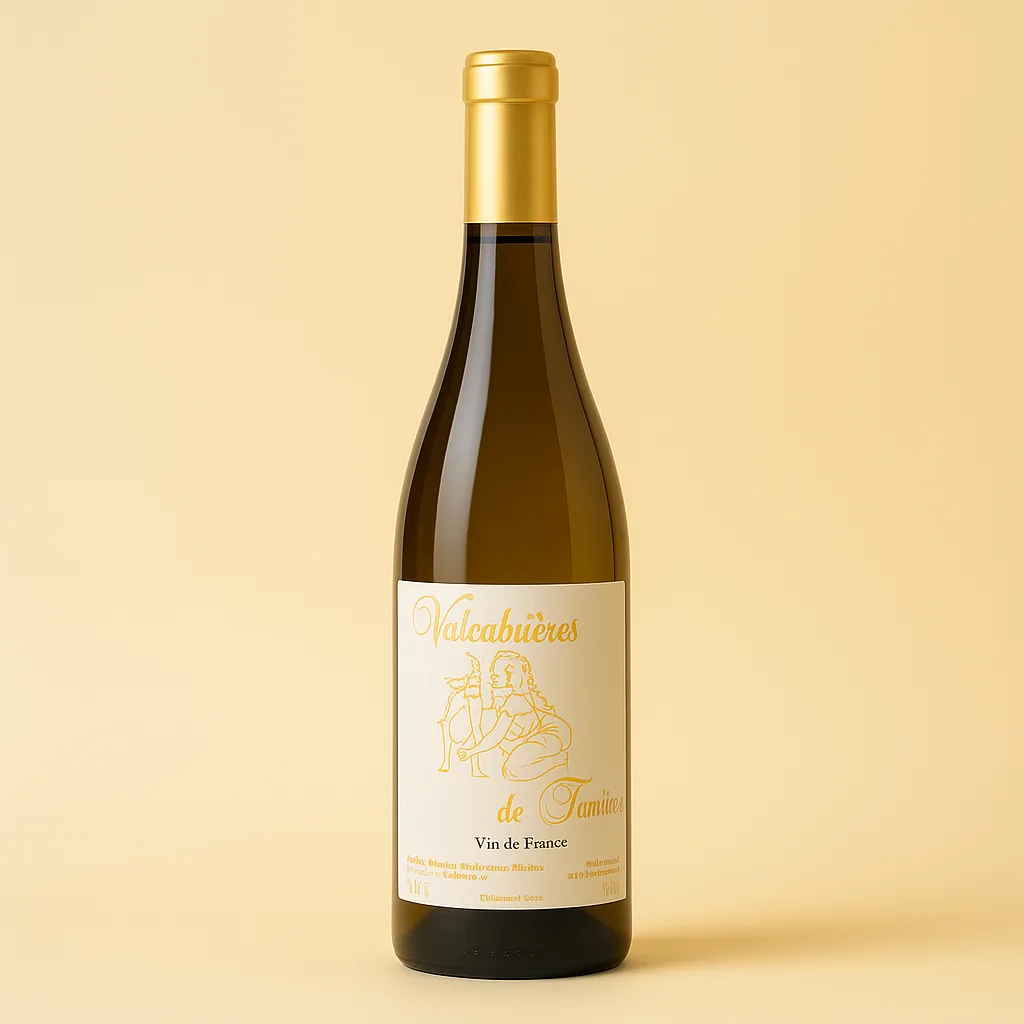
Valcabrières de Fantine 2024
Clos Fantine
Valcabrières de Fantine 2024
Clos Fantine
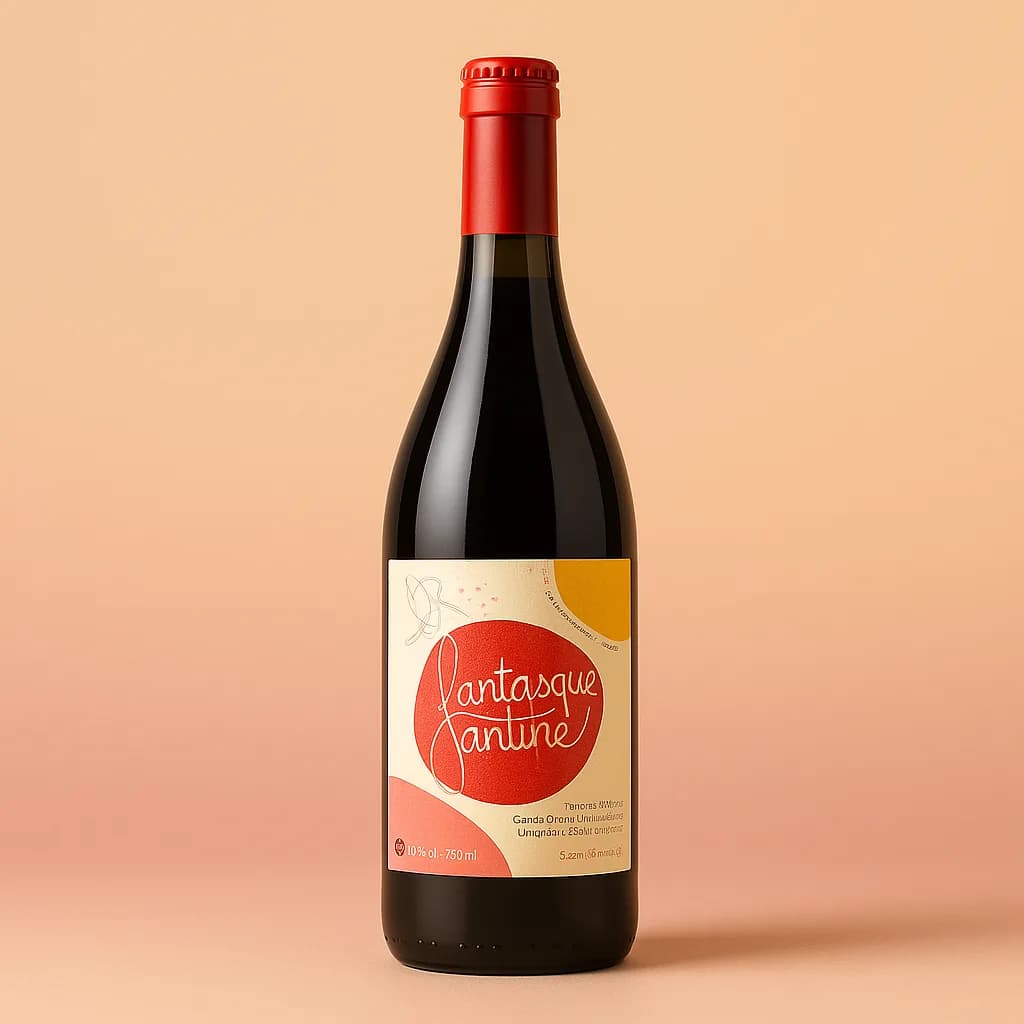
Fantasque de Fantine 2024
Clos Fantine
Fantasque de Fantine 2024
Clos Fantine
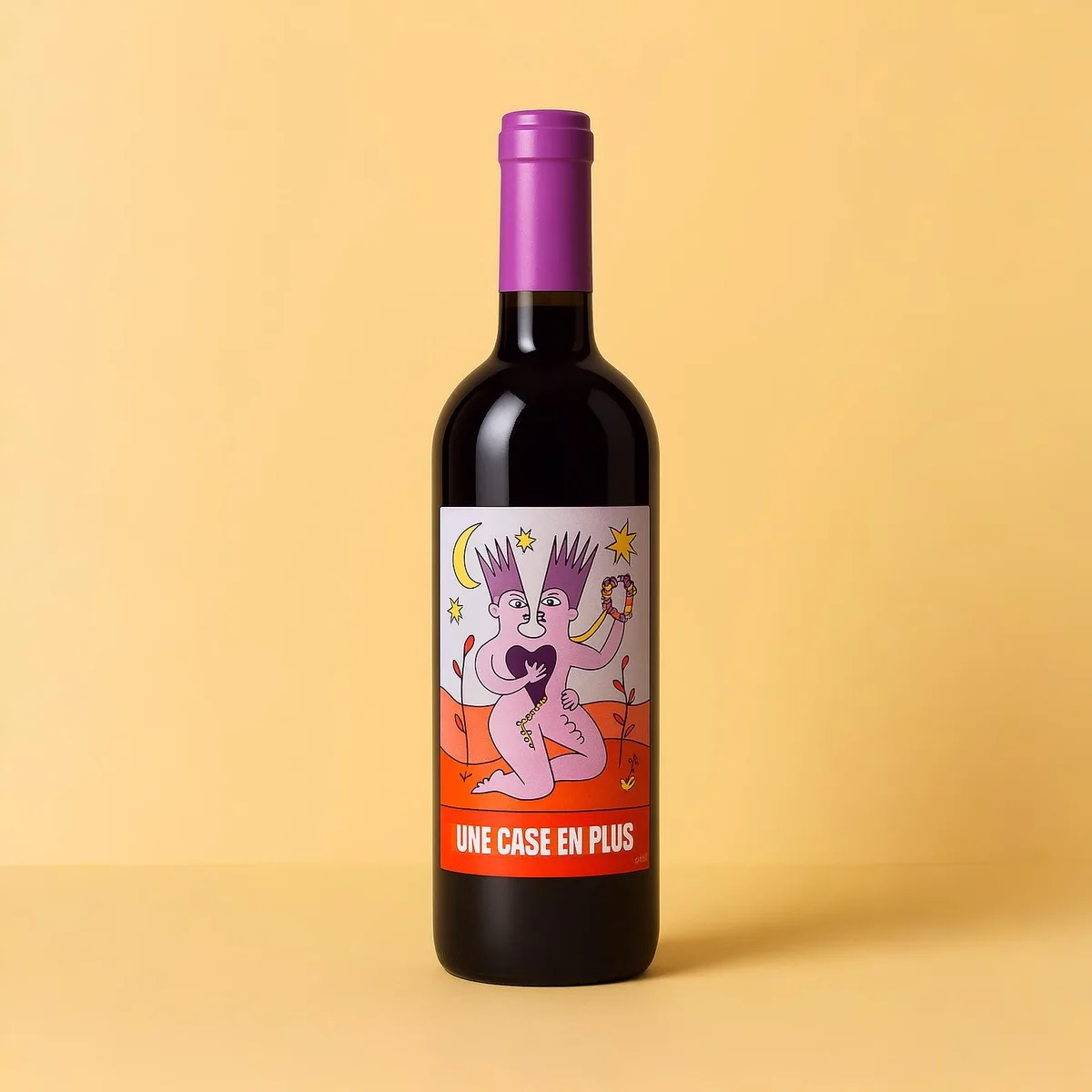
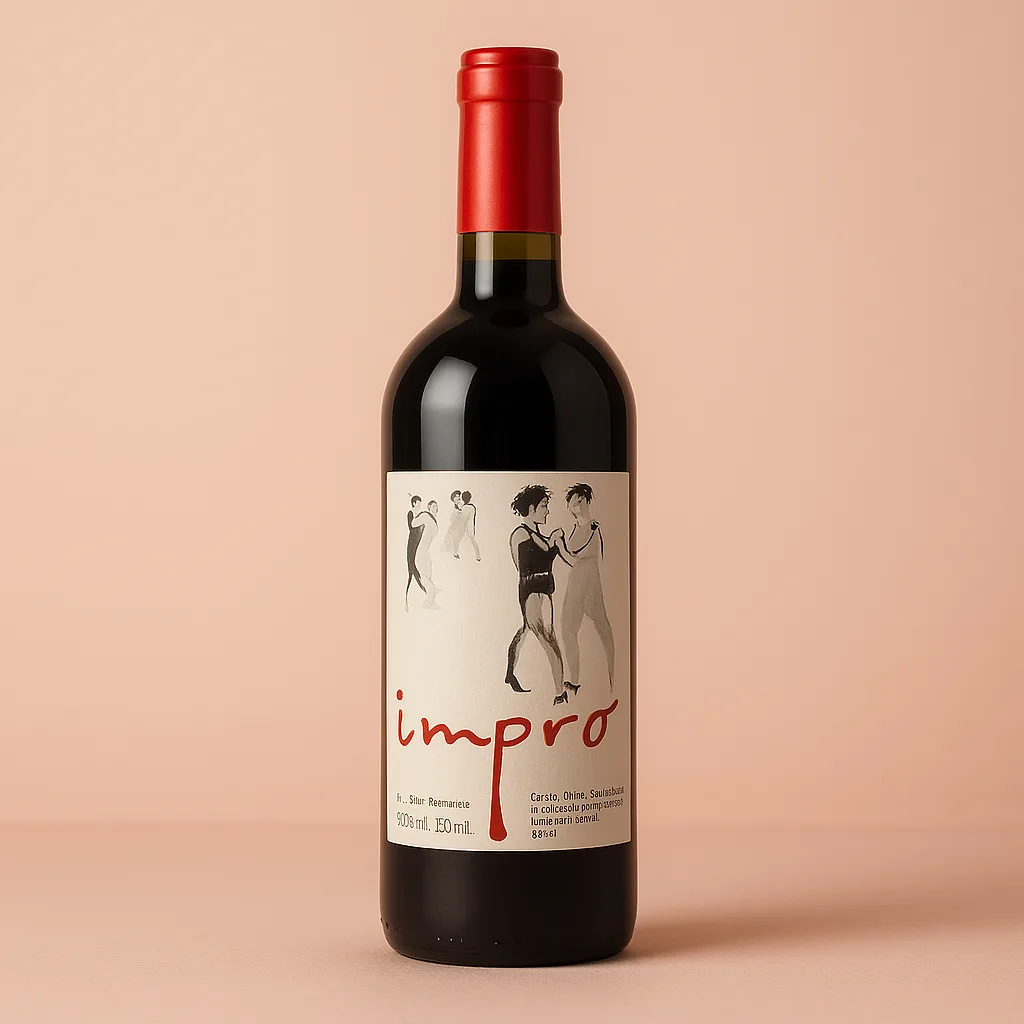
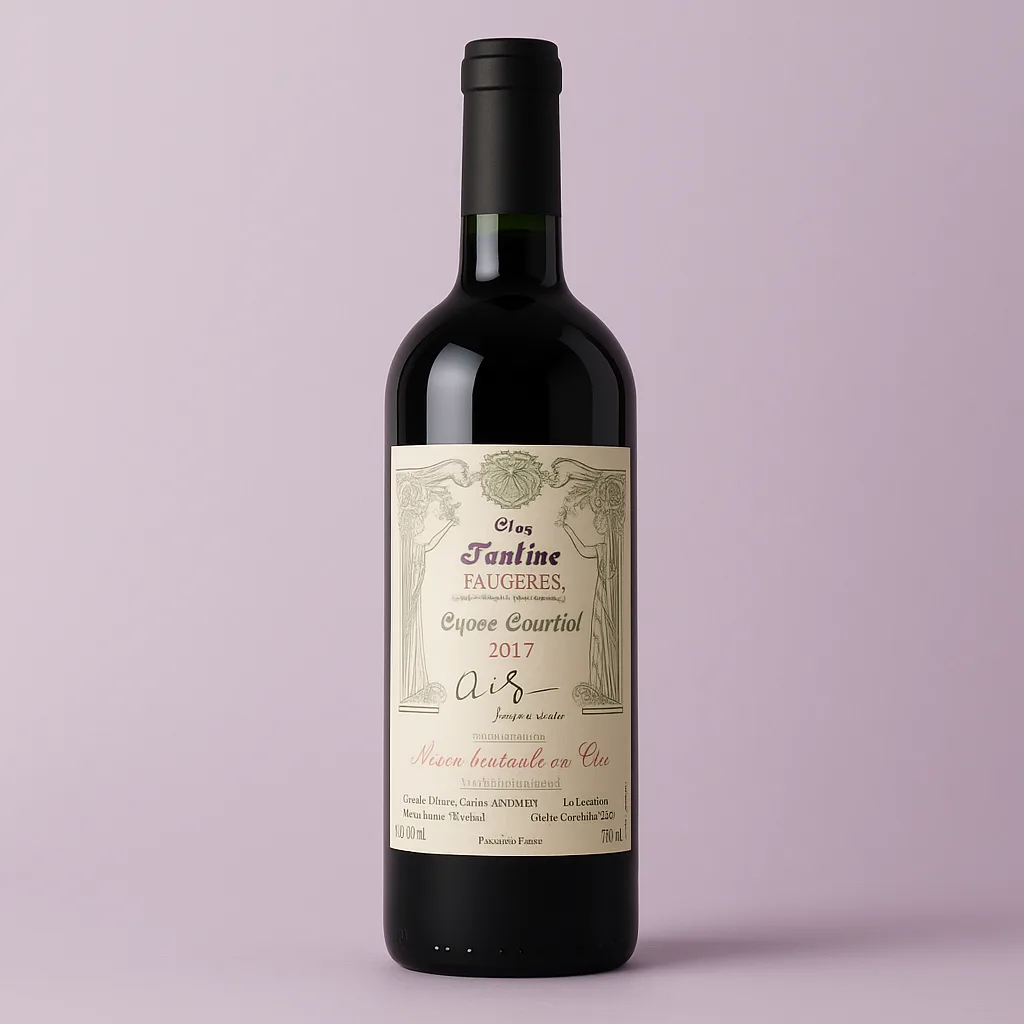
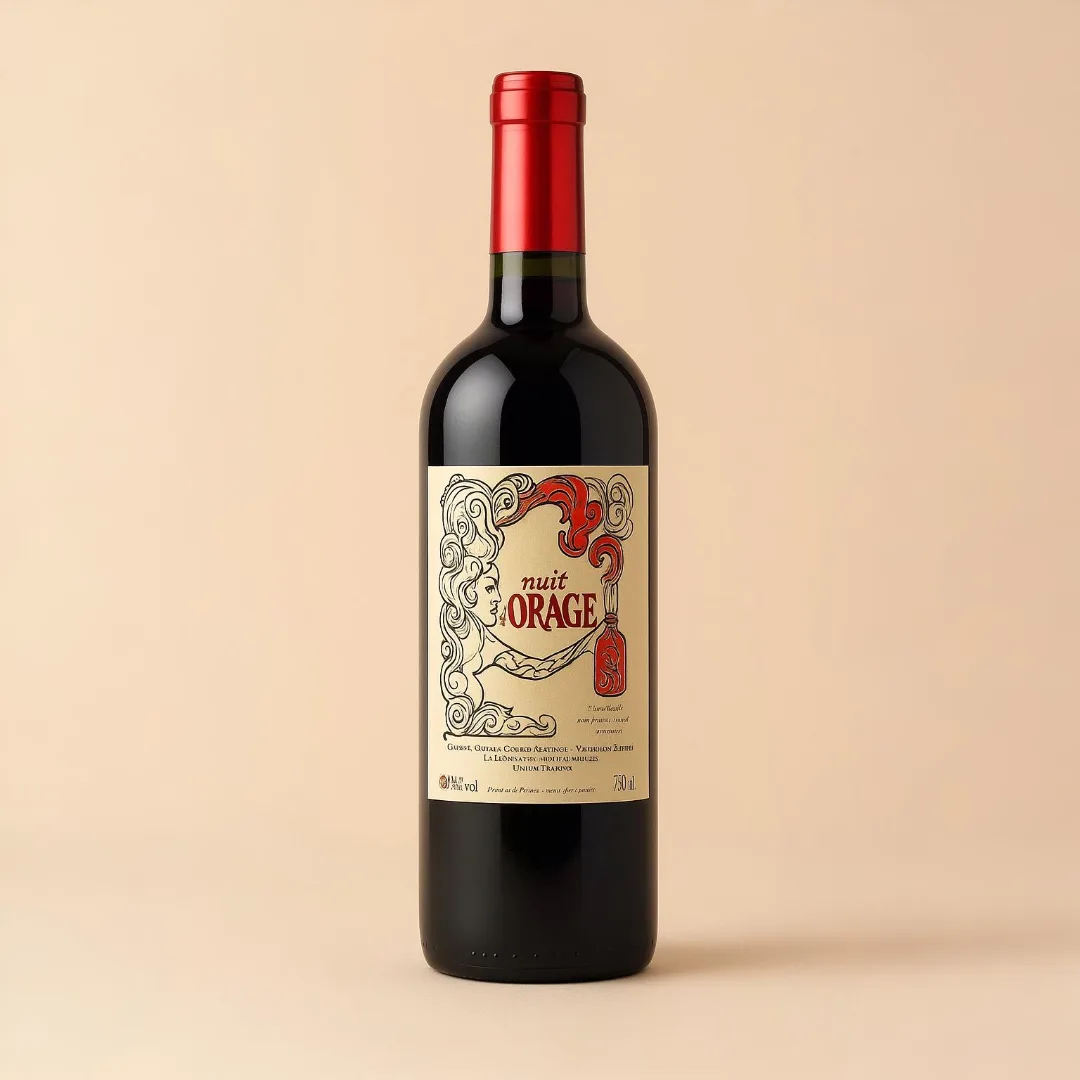
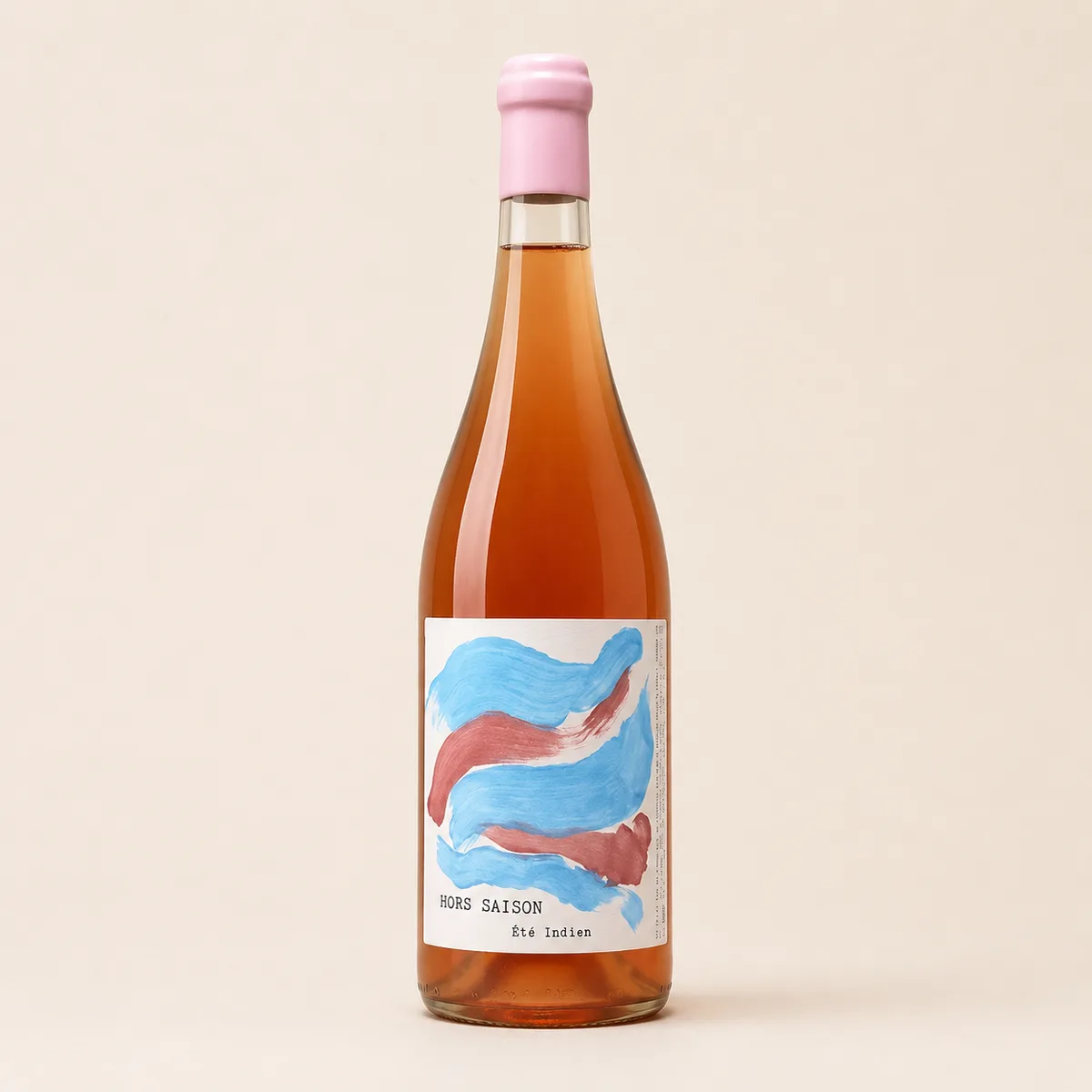

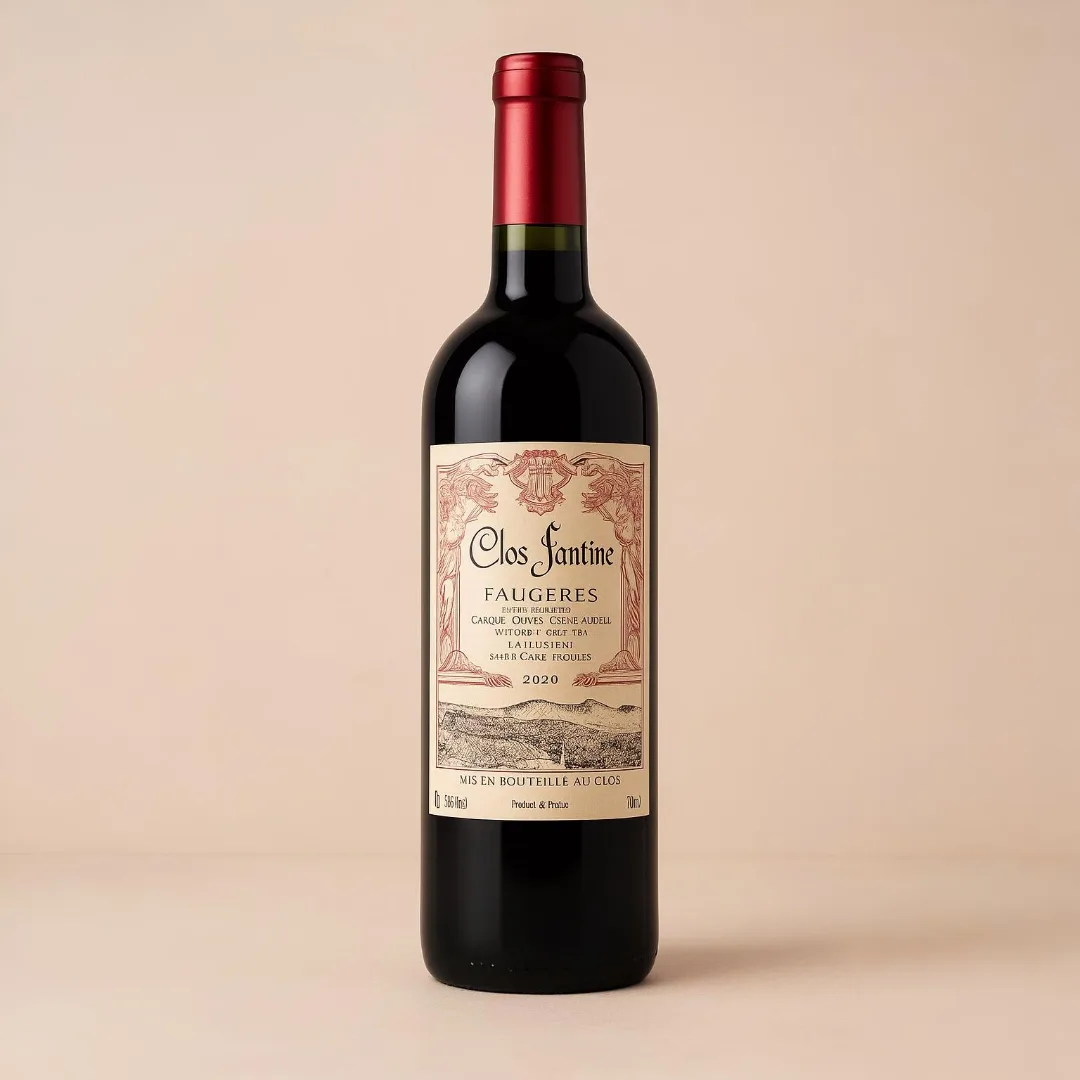
Faugeres Tradition 2020
Clos Fantine
Faugeres Tradition 2020
Clos Fantine
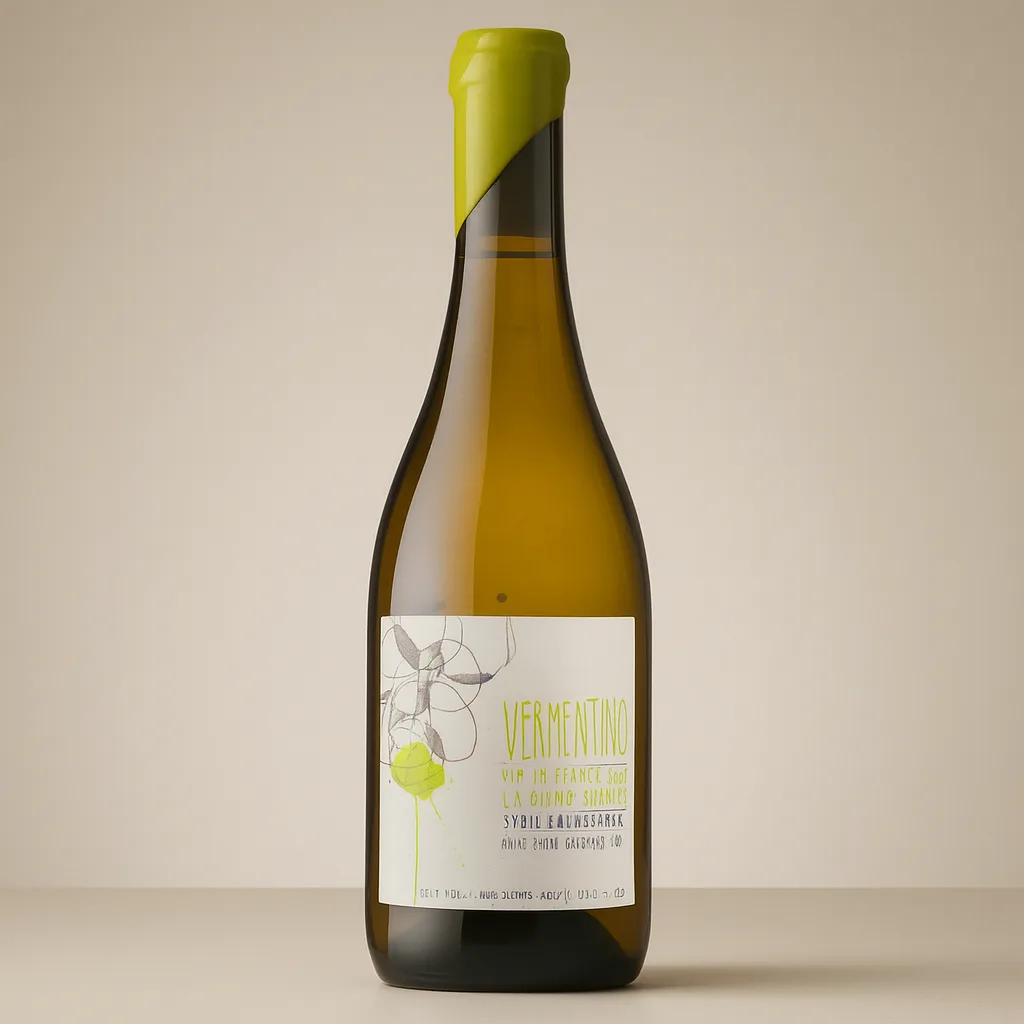
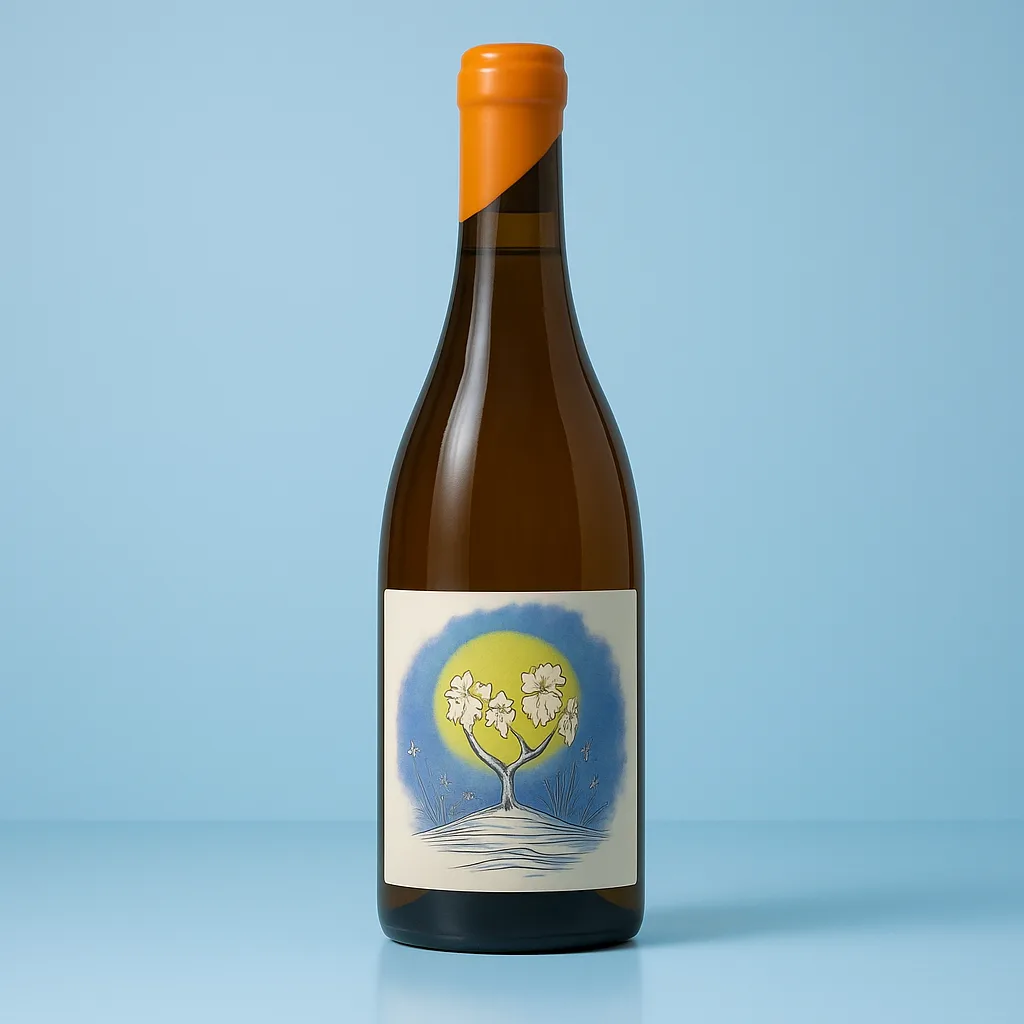
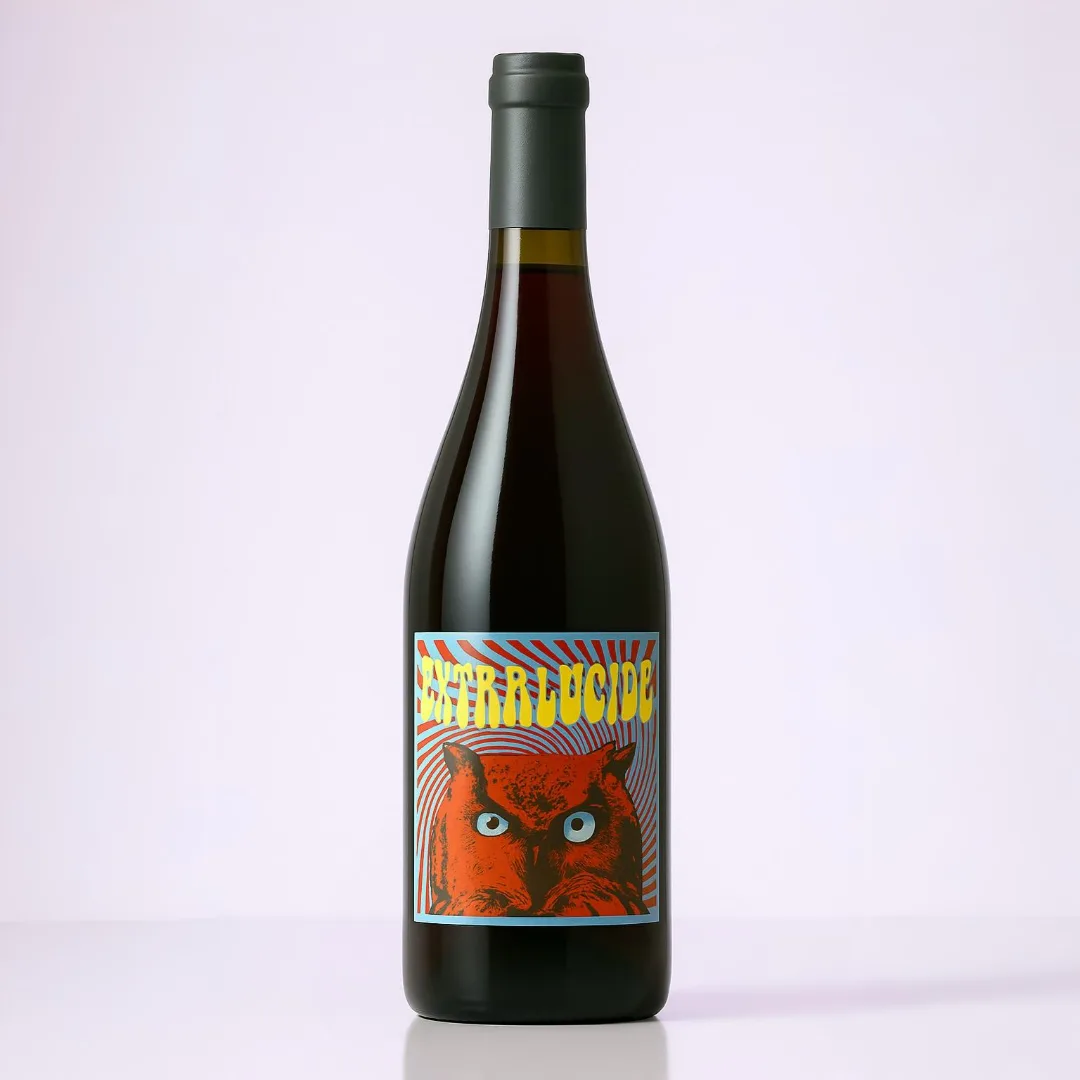
Organic wine means grapes grown under EU organic rules — no synthetic pesticides, no chemical fertilisers and requirements for soil health and biodiversity in the vineyard. Certification (e.g. the EU organic logo) covers farming; in the cellar producers may still work in different ways, from classic winemaking to minimal intervention.
The difference from biodynamic wine is clear: organic defines what cannot be used in the vineyard; biodynamic adds a holistic view with compost preparations, dynamic sprays and the vineyard's rhythms. The difference from natural wine matters too — natural wine sets rules in both vineyard and cellar (wild fermentation, no additives), while organic wine primarily concerns how grapes are grown. Many of our producers do both, but they are not the same thing.
Buying organic wine in Sweden through the monopoly or traditional importers often means limited choice and high prices. PACT imports direct from organically certified small producers in Languedoc to Stockholm — without middlemen and without central warehousing. You reserve bottles online; when the pallet fills, wine ships direct from the vineyard.
Organic wine from Languedoc suits Mediterranean food — grilled lamb, ratatouille, fish, charcuterie and vegetable dishes. Lighter reds and orange wines can be served slightly chilled; fuller reds with stews and cheese.
Organic wine from Languedoc — direct from certified small producers to Stockholm via PACT.