
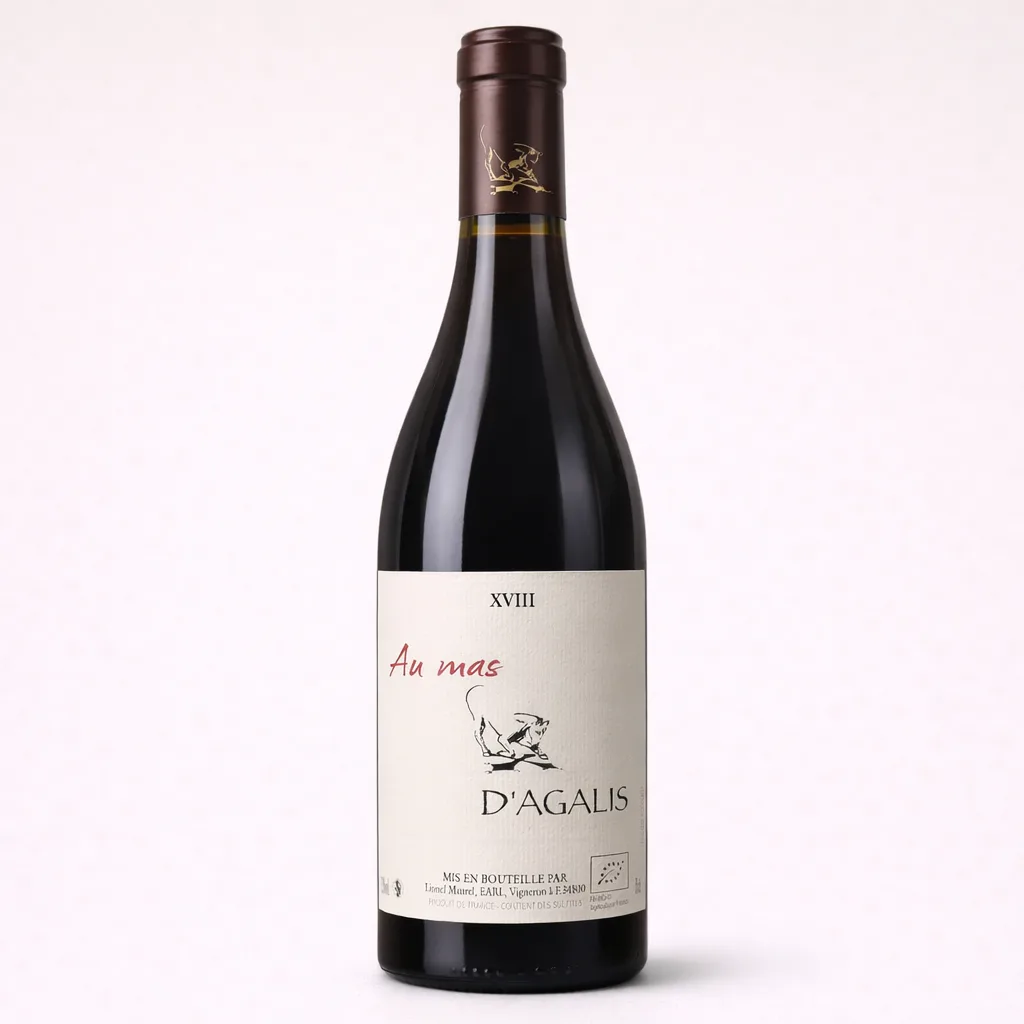
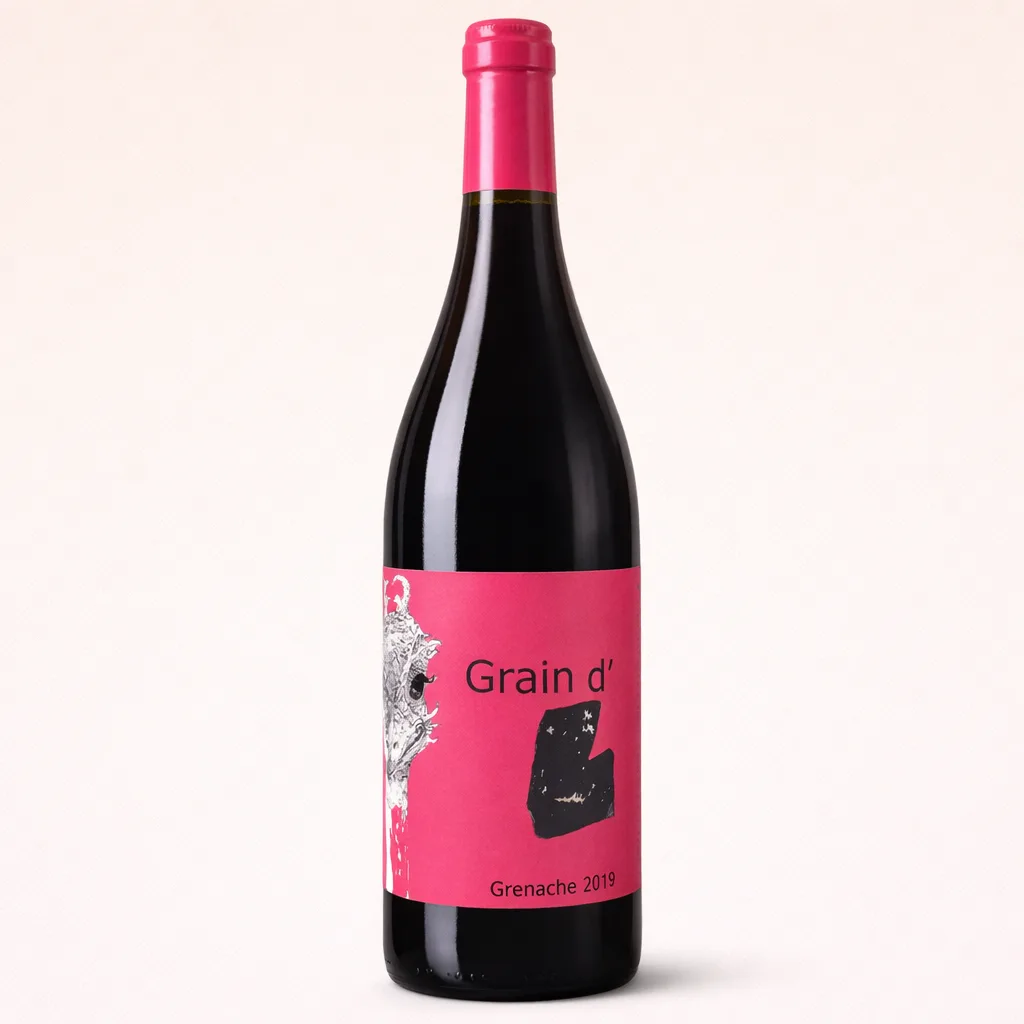
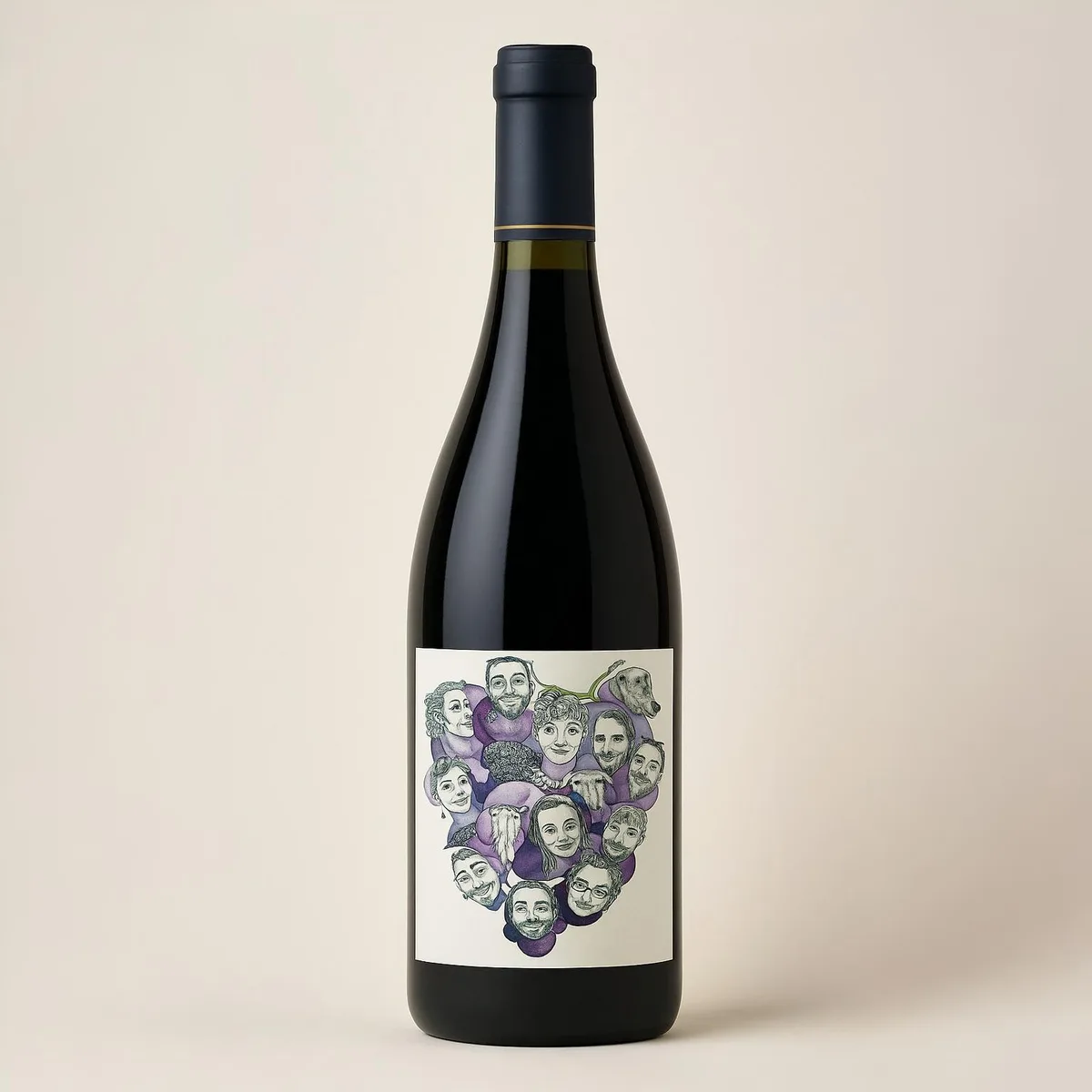
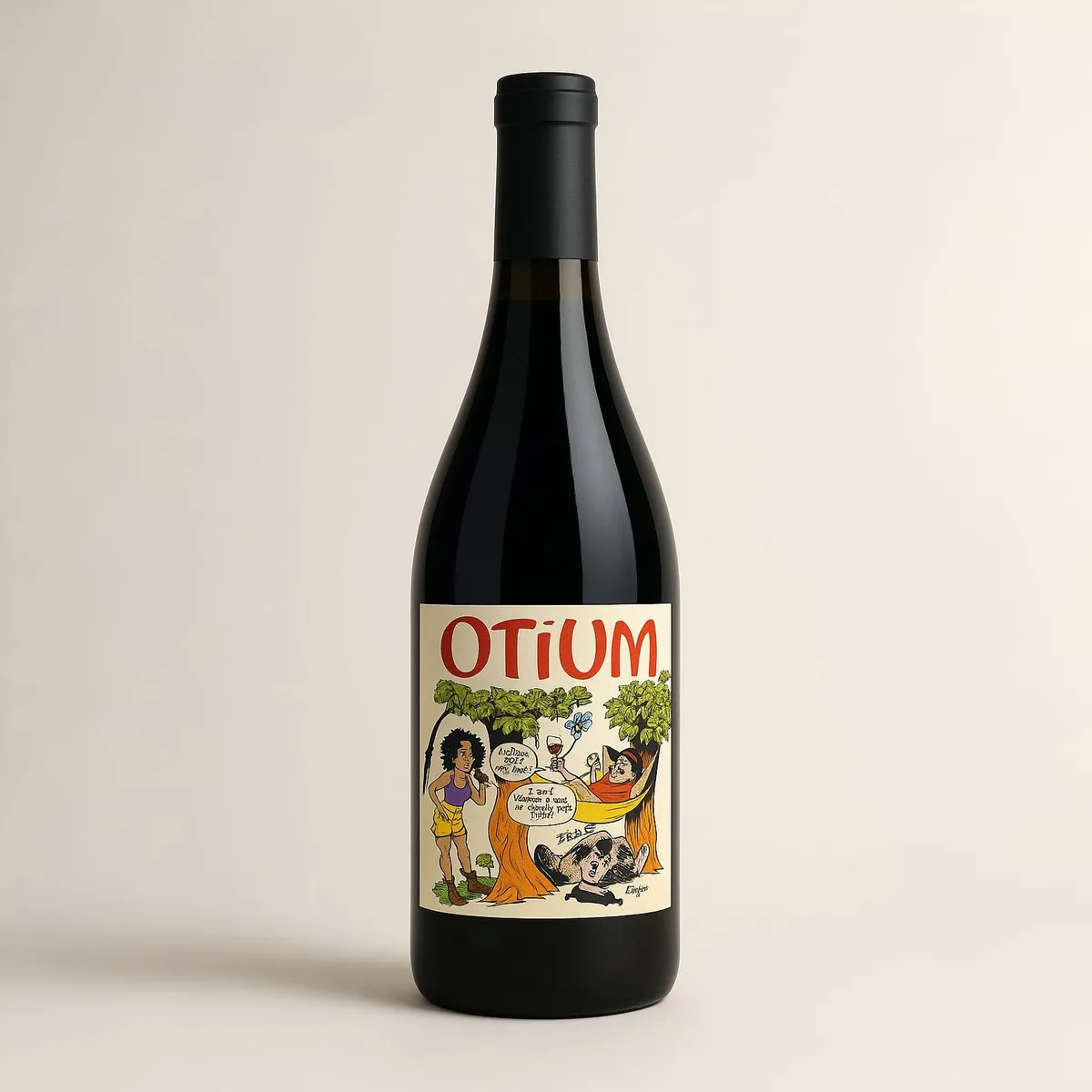
Grenache is Languedoc's most generous grape — red fruit, natural sweetness and a warmth that reflects the sun-drenched south. From old vines in Faugères and Haute Vallée de l'Orb it becomes both powerful and elegant.
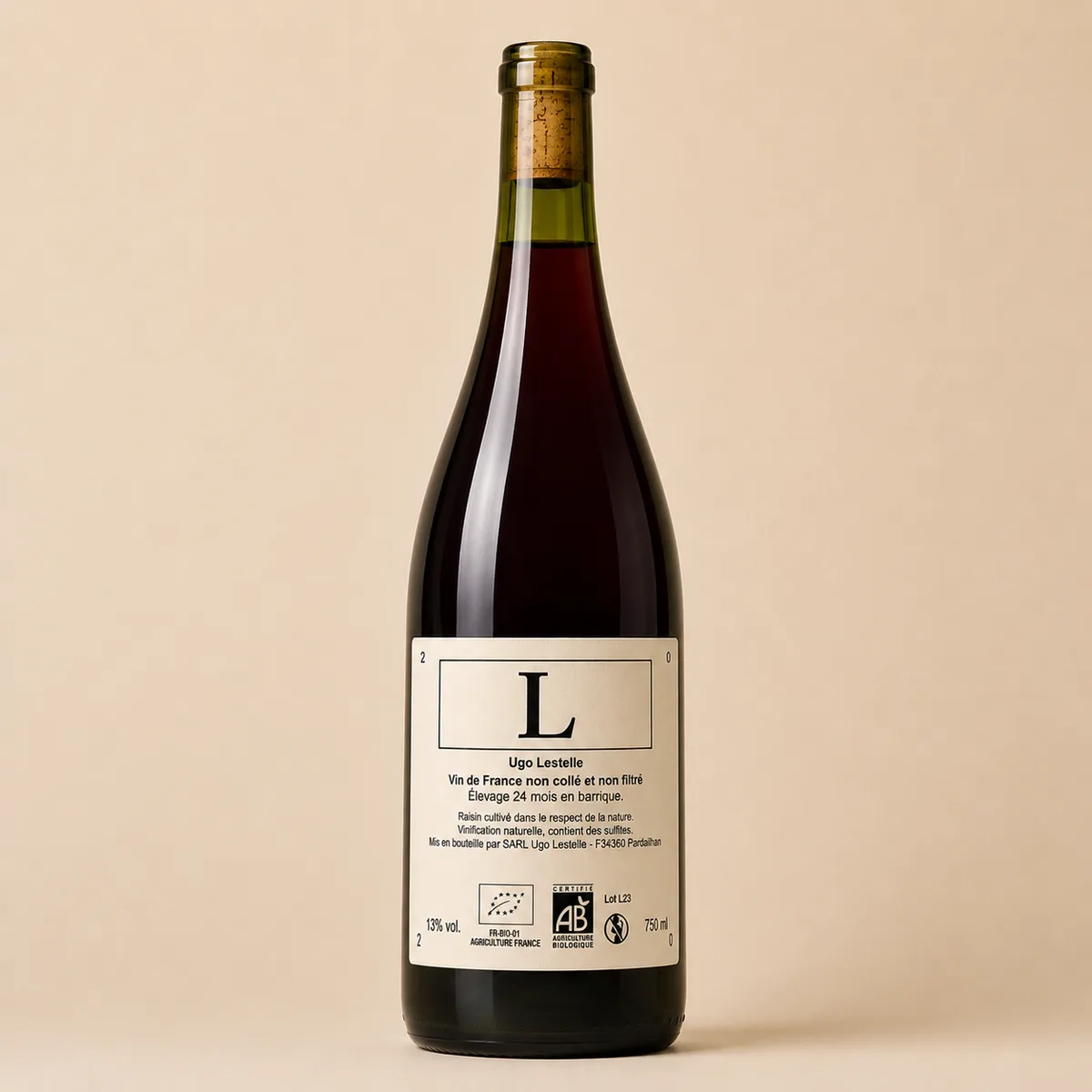
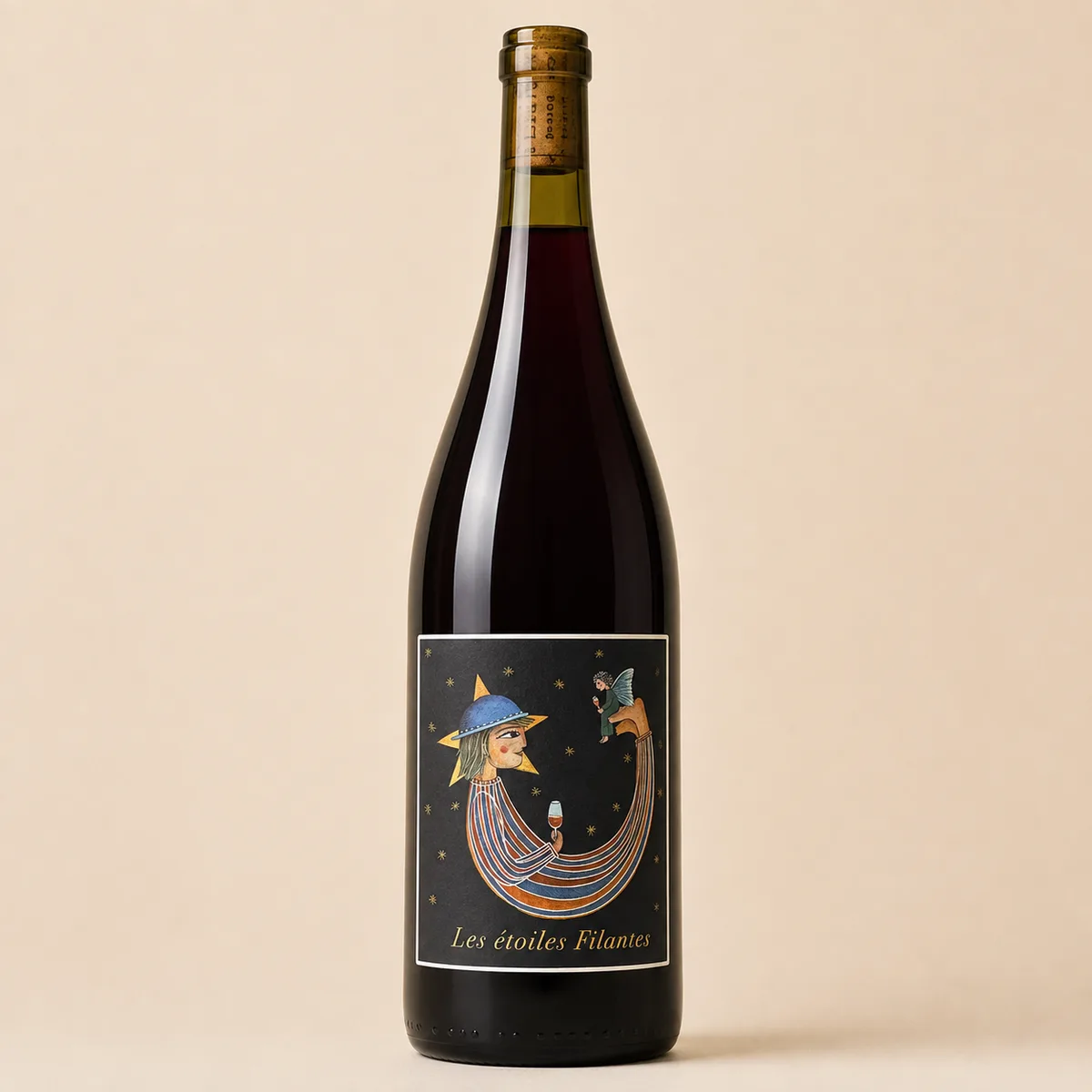
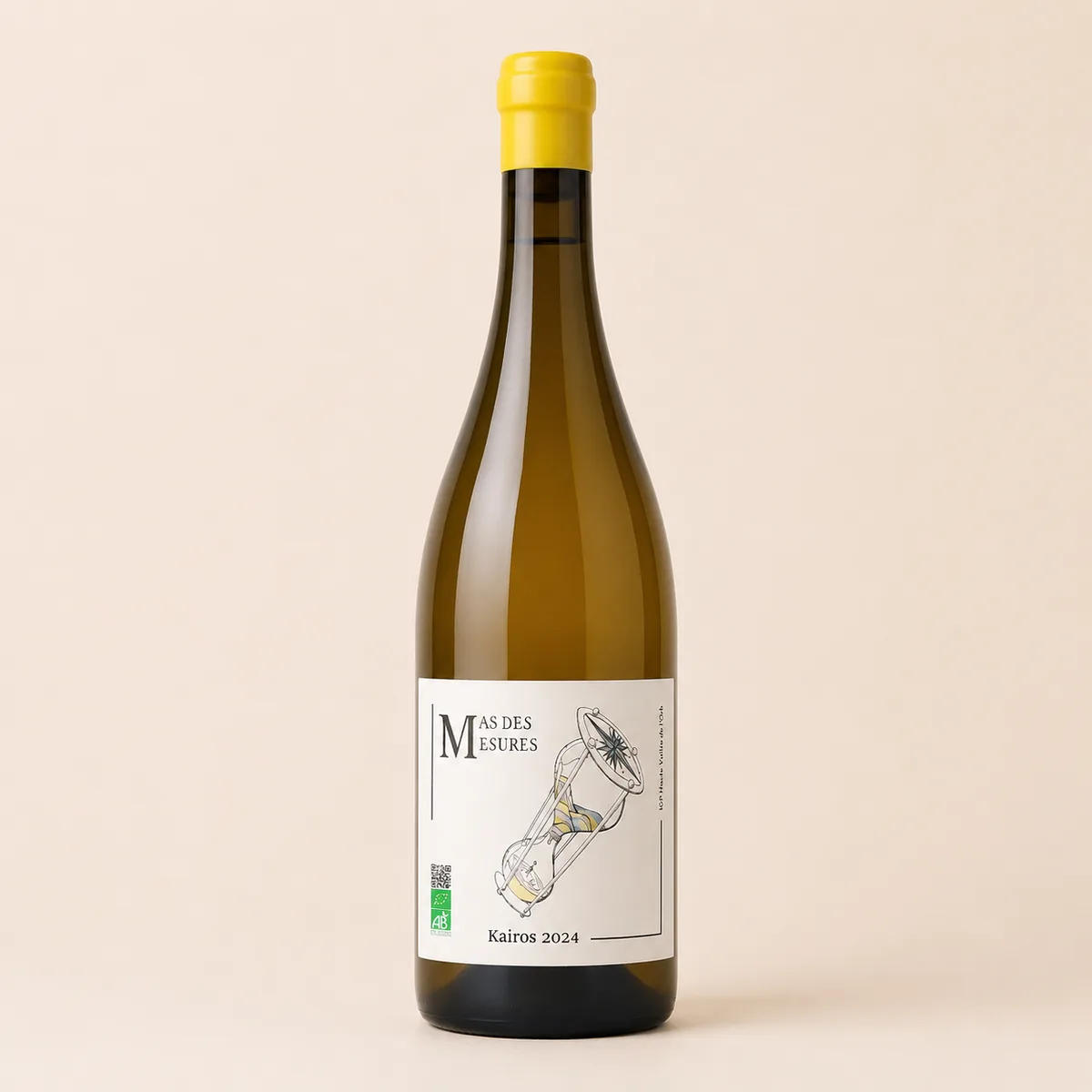
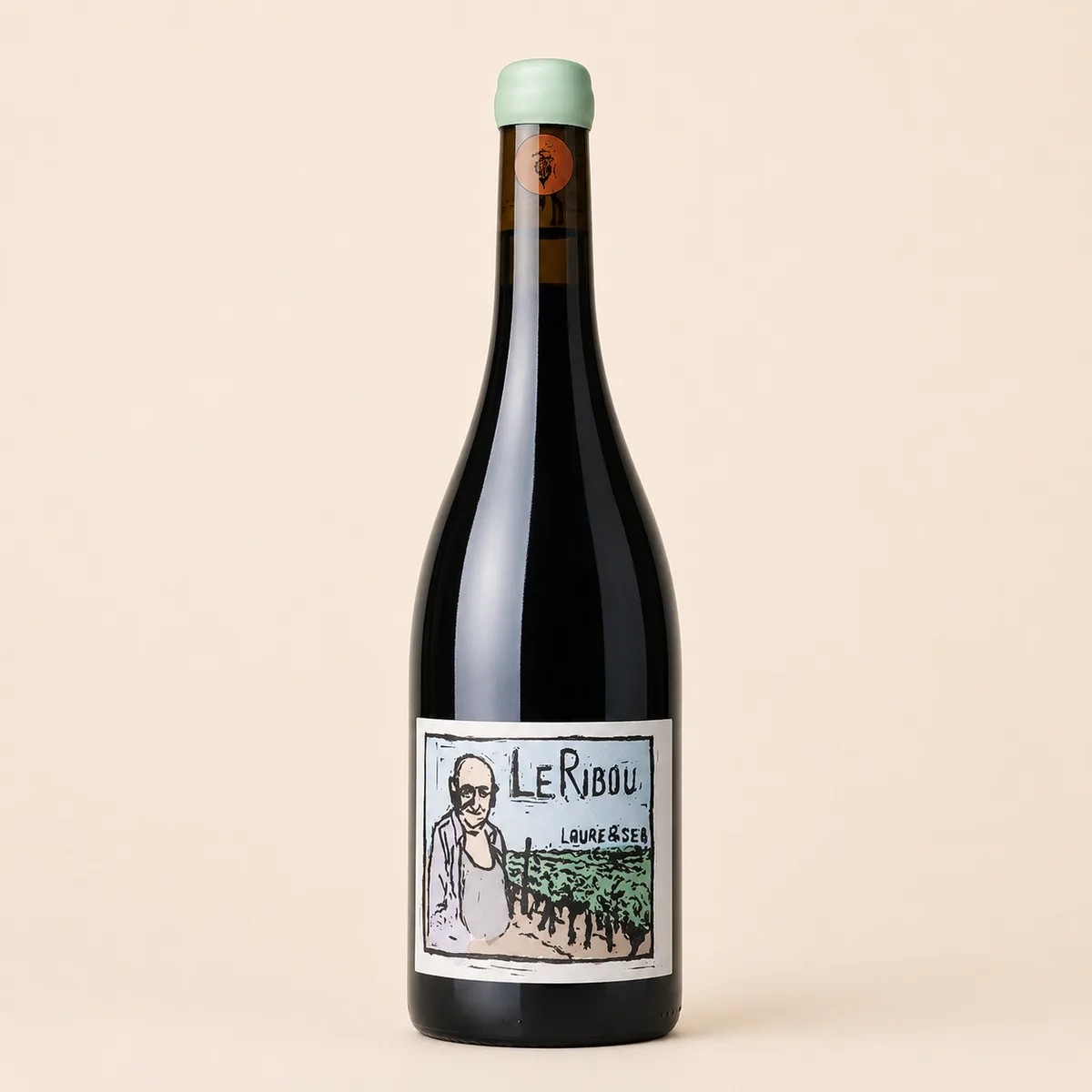
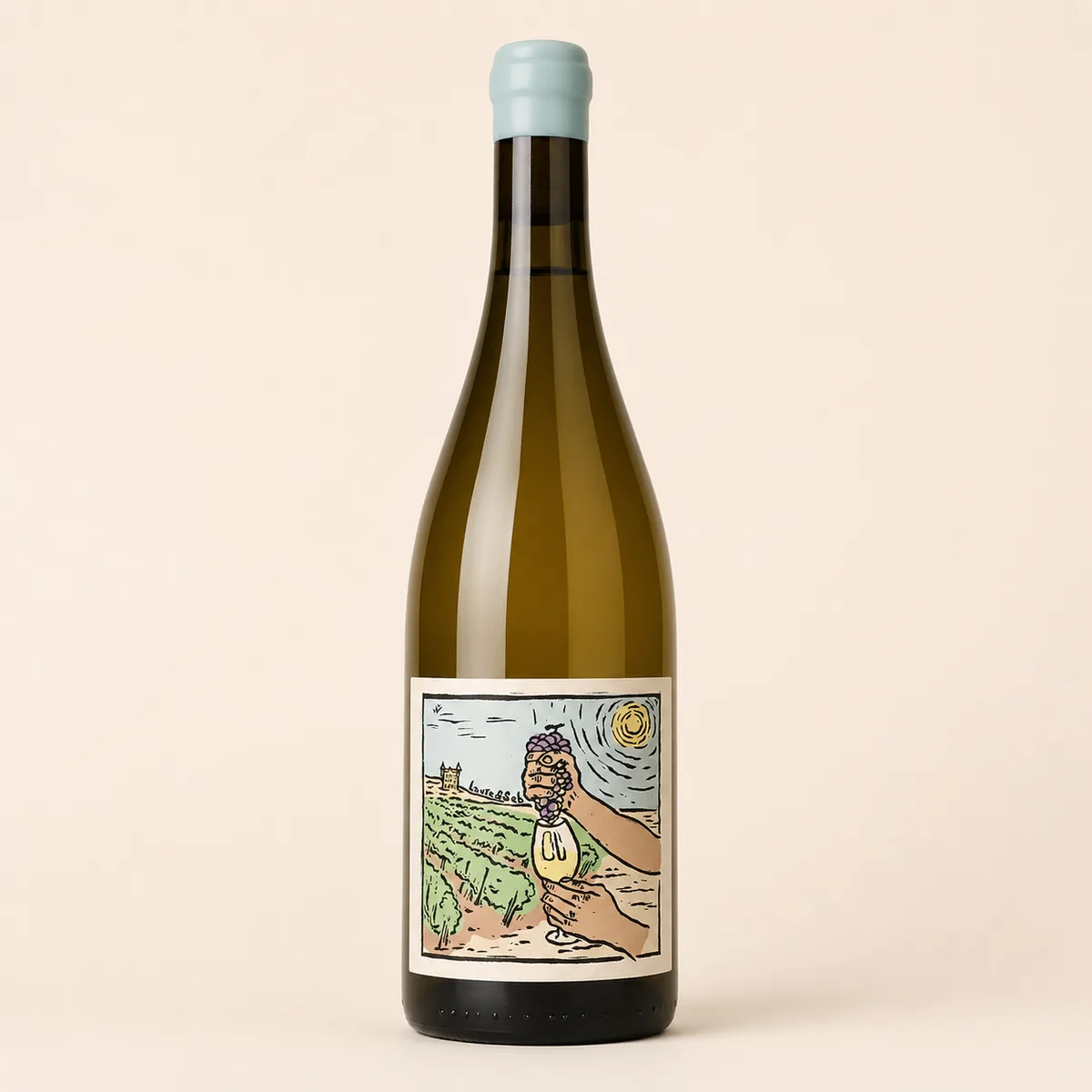
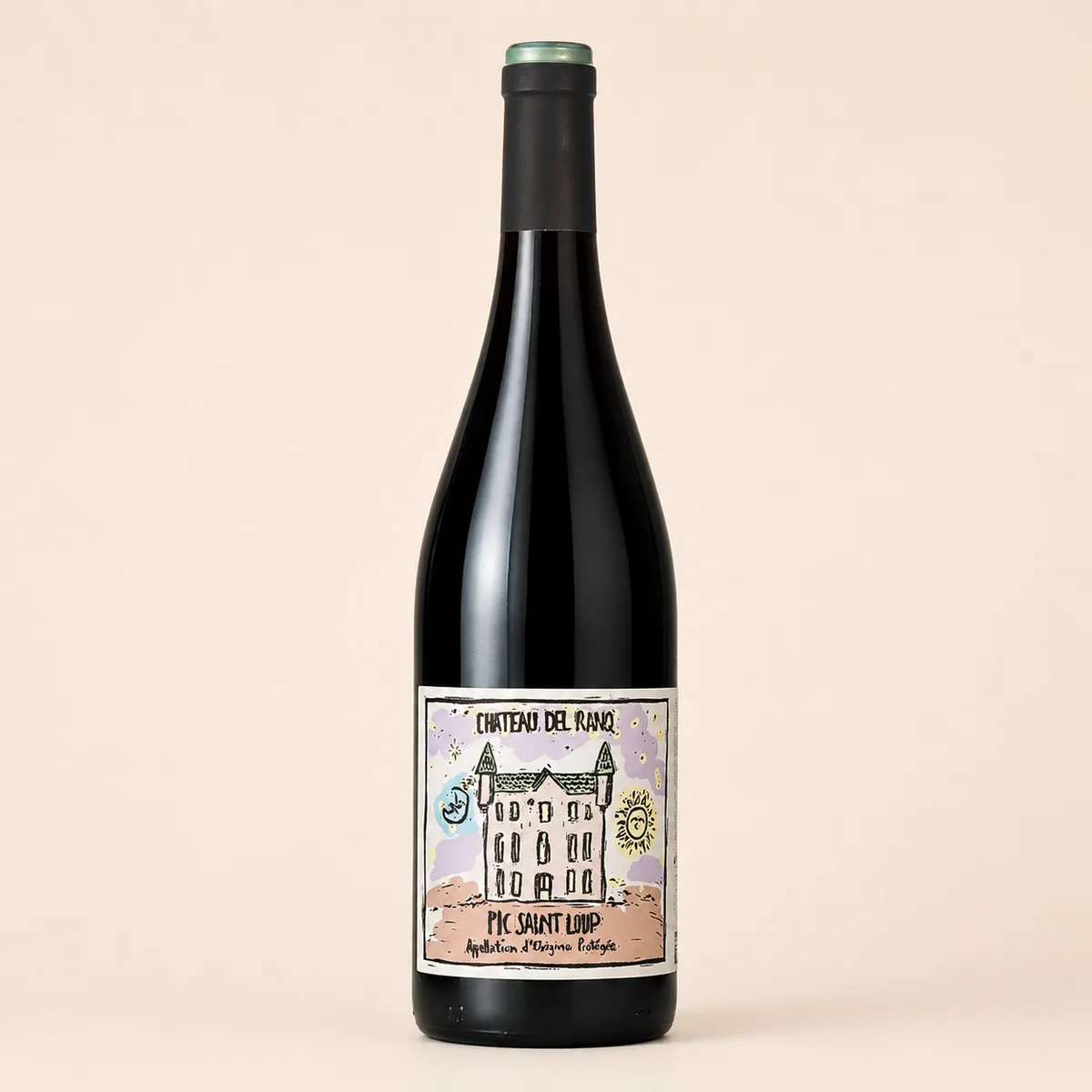
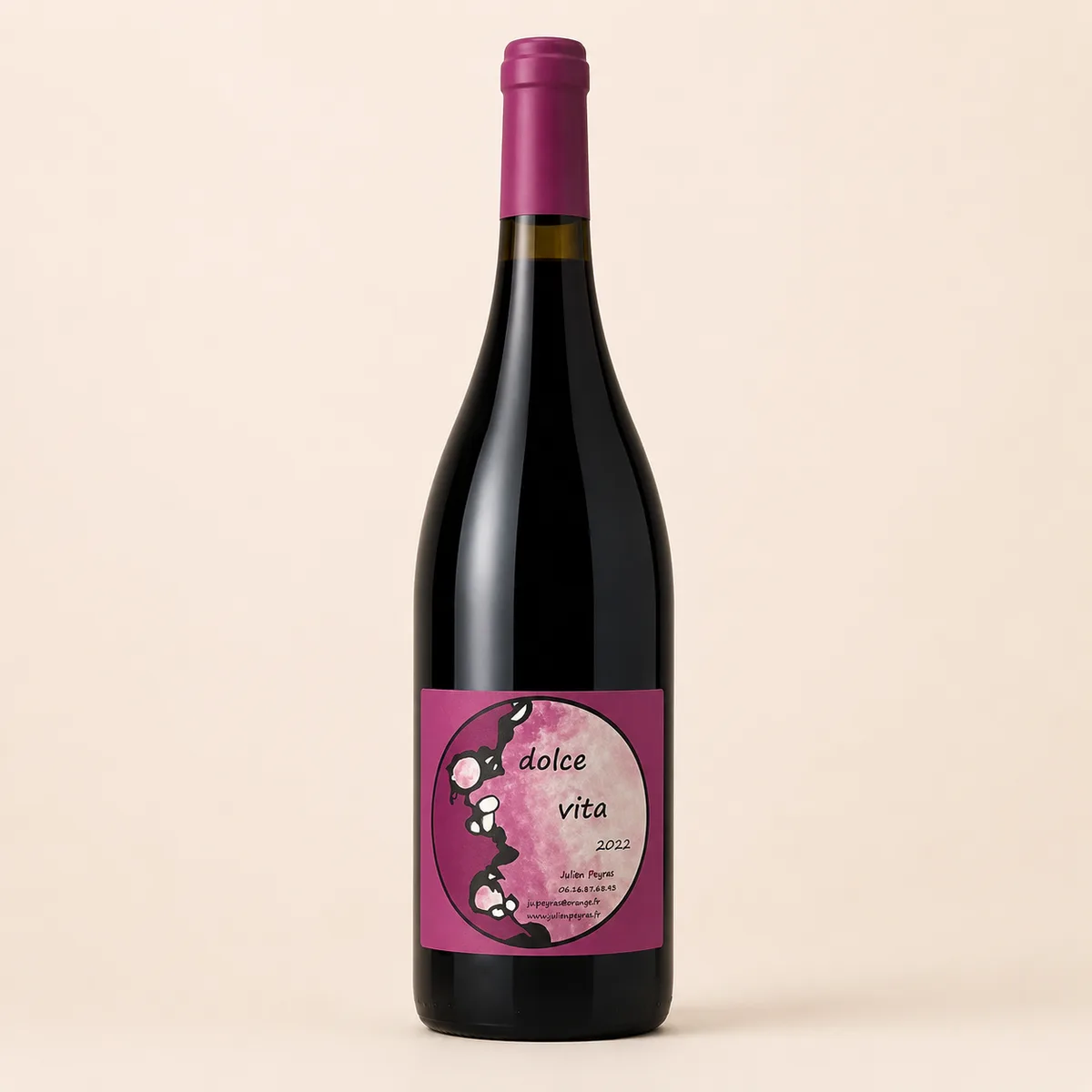
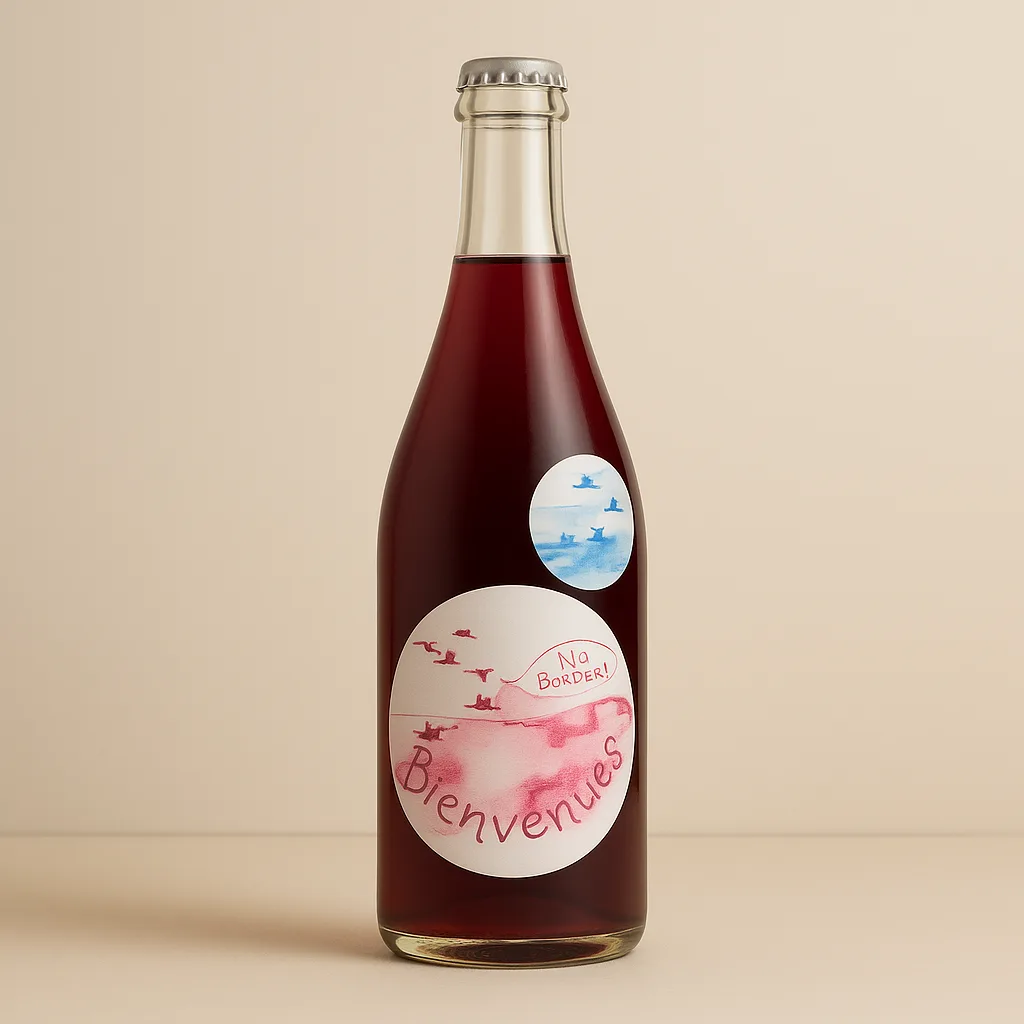
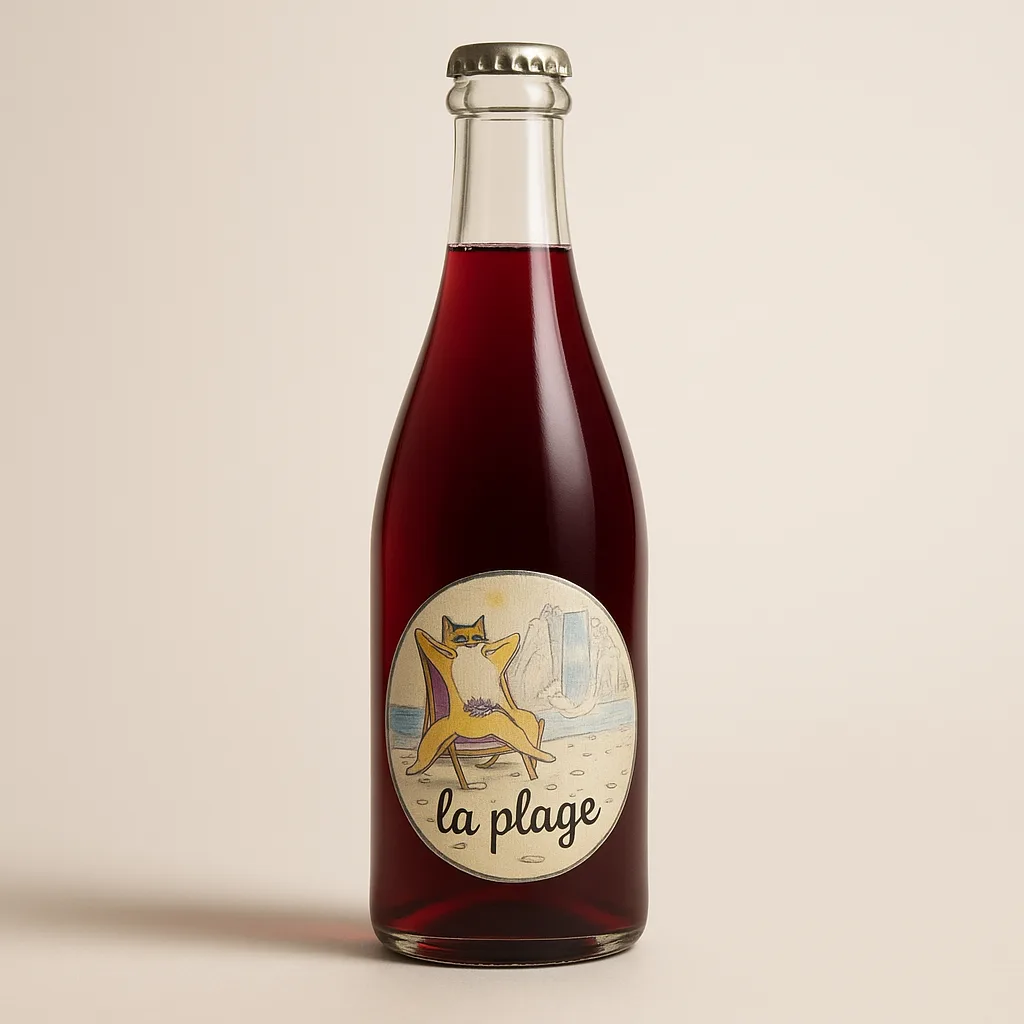
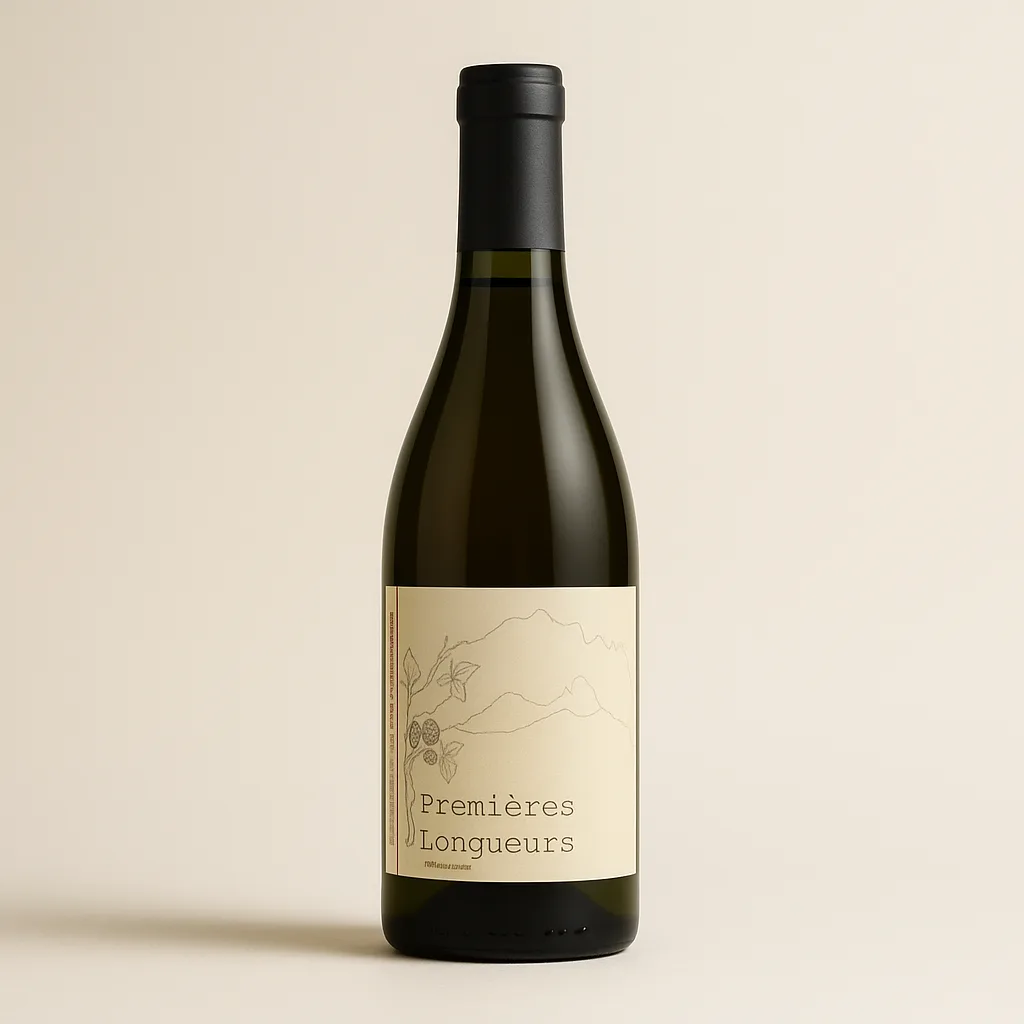
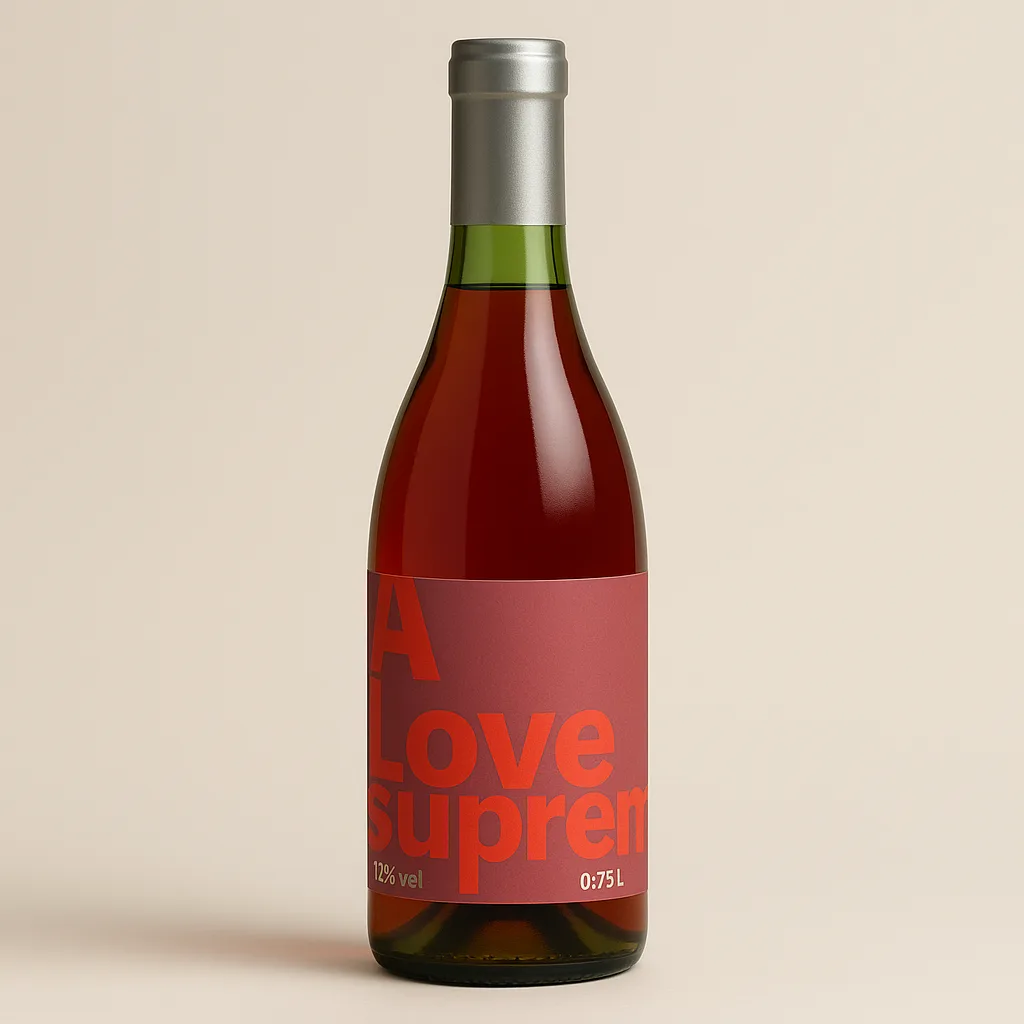
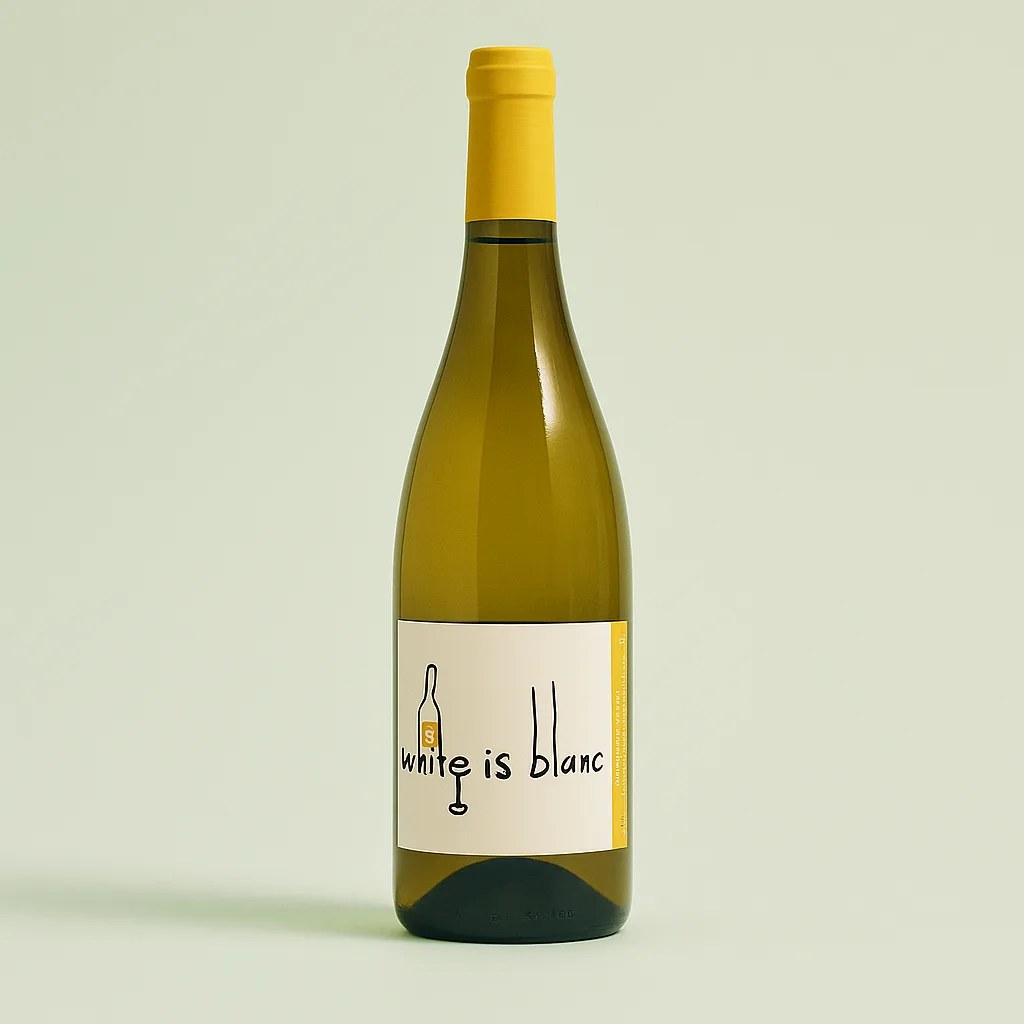
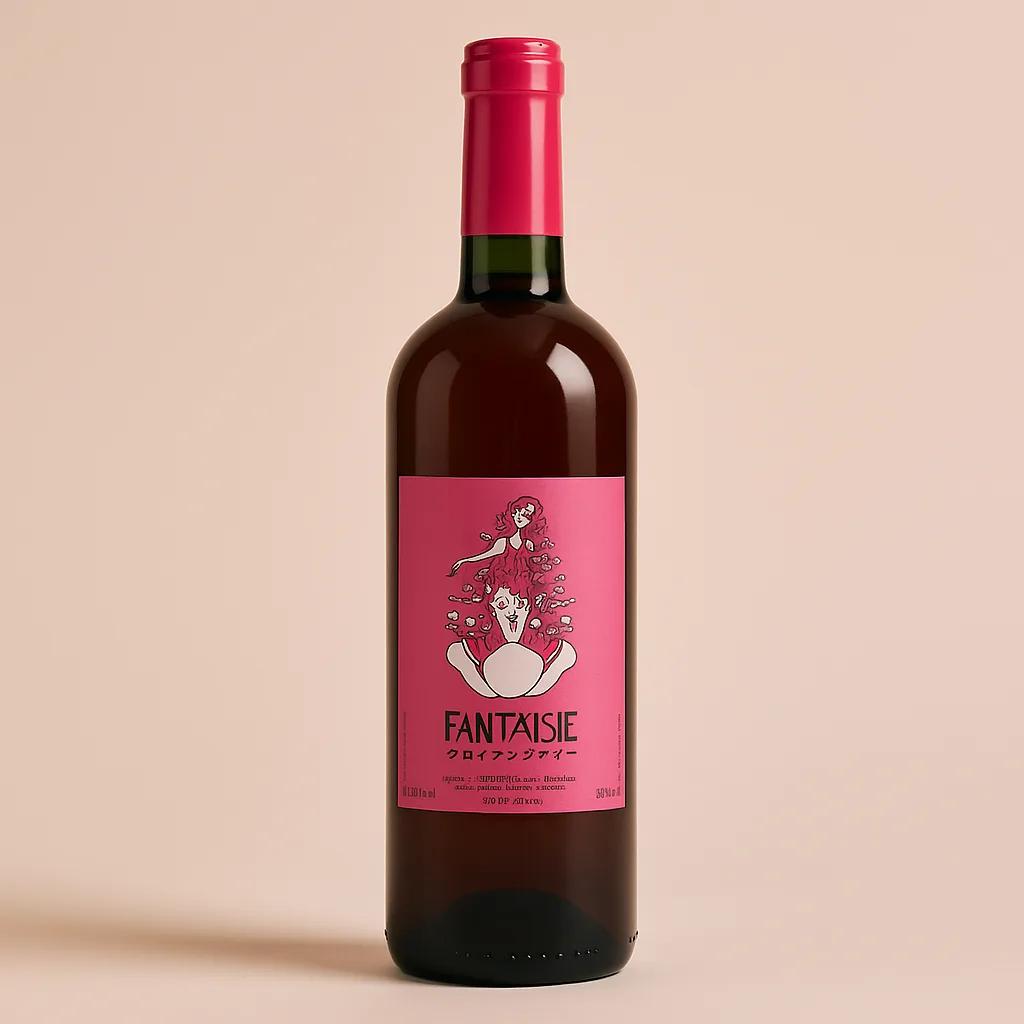
Fantaisie Rouge Clair 2024
Clos Fantine
Fantaisie Rouge Clair 2024
Clos Fantine
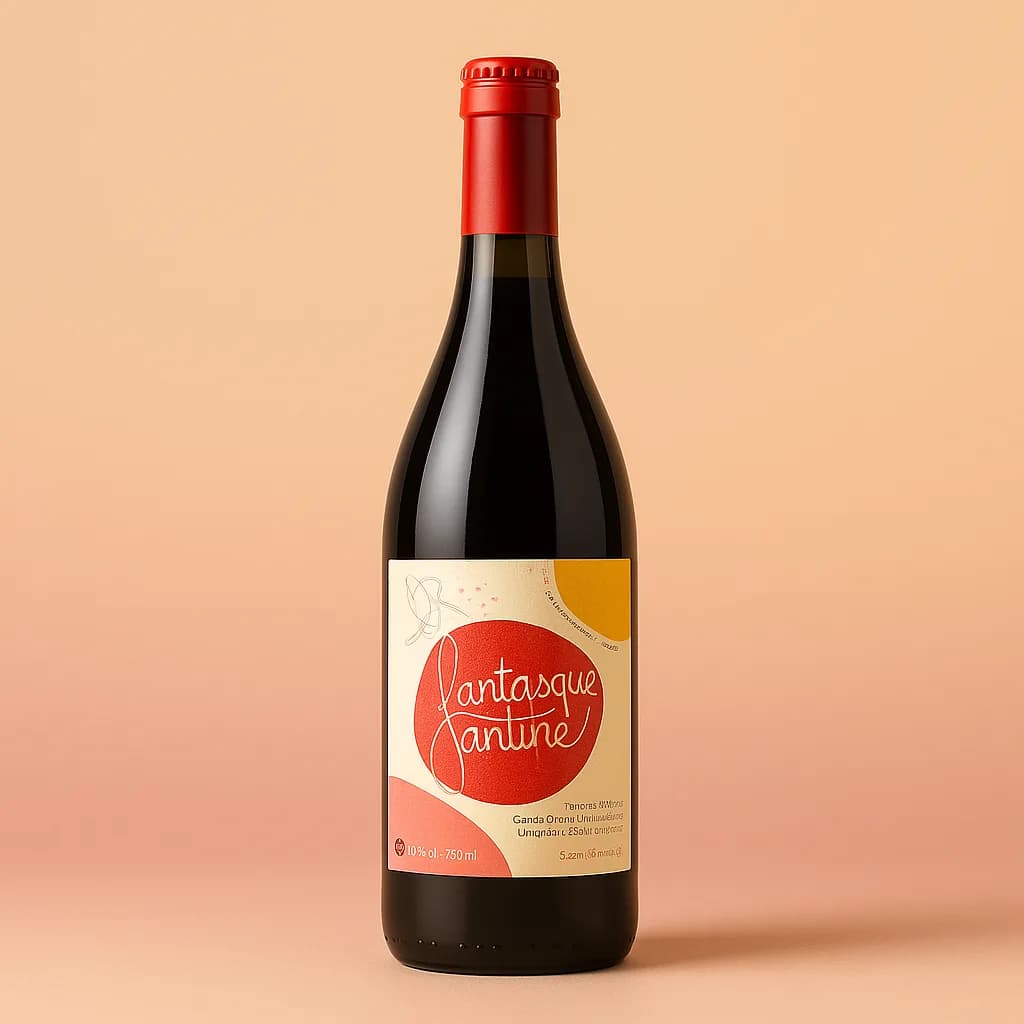
Fantasque de Fantine 2024
Clos Fantine
Fantasque de Fantine 2024
Clos Fantine
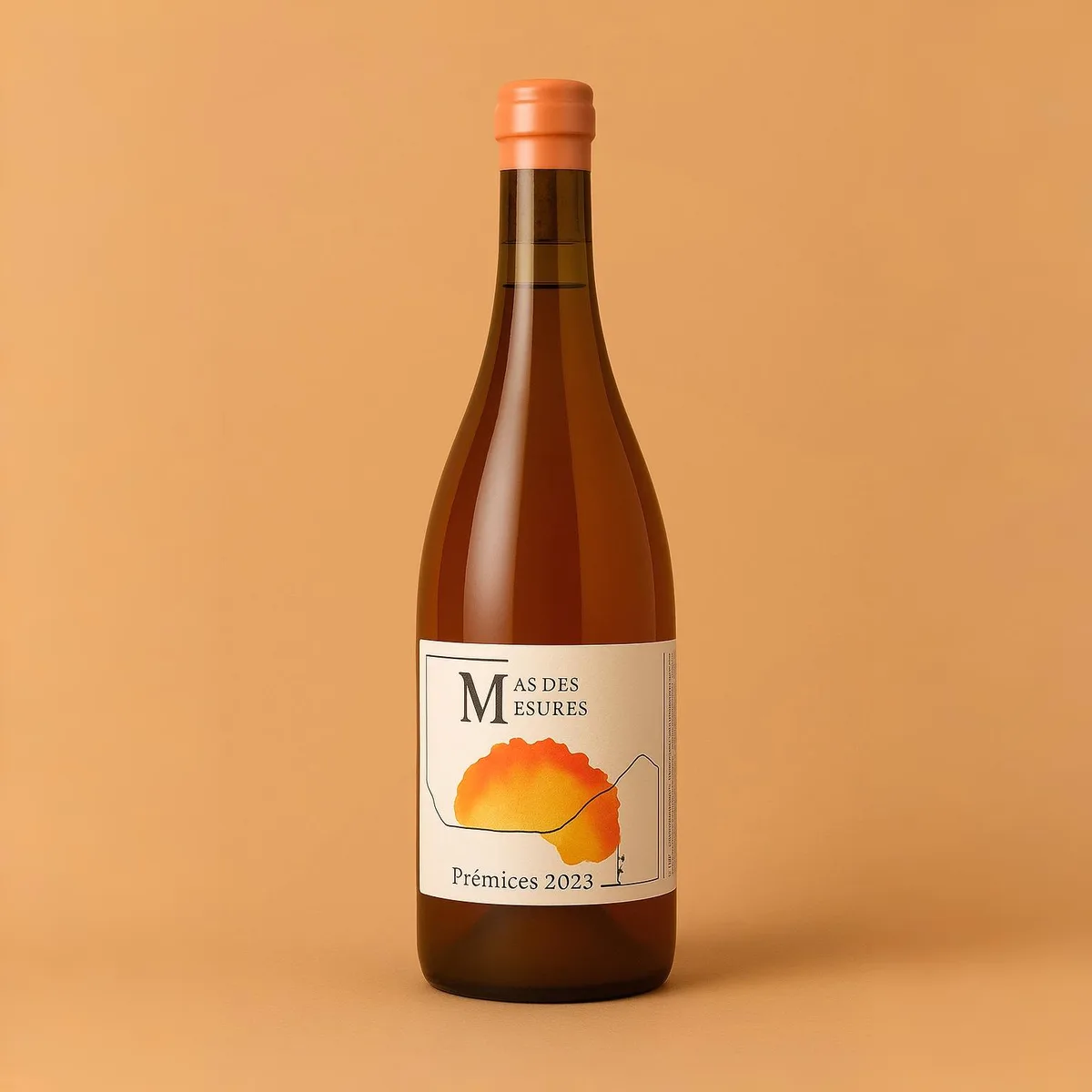
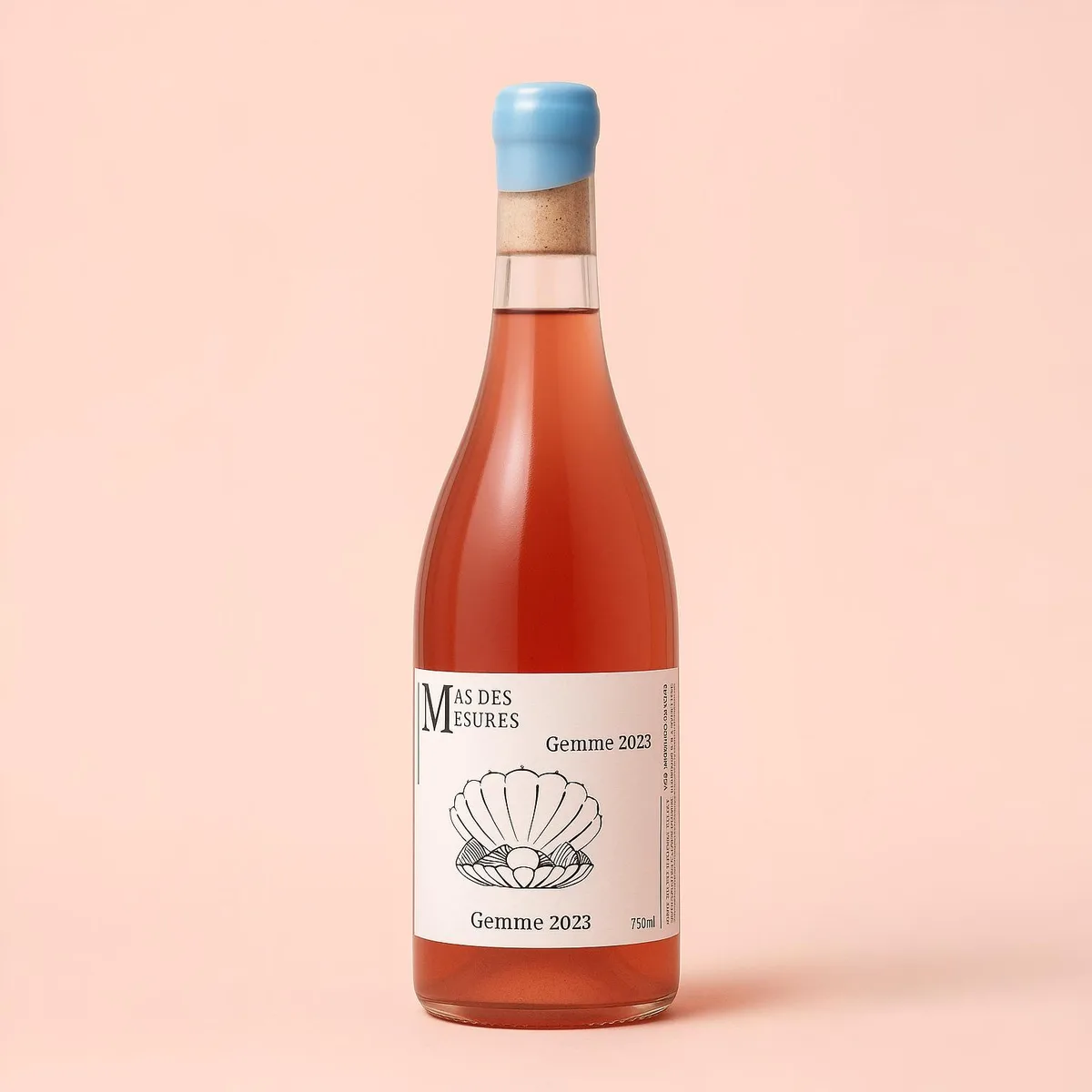
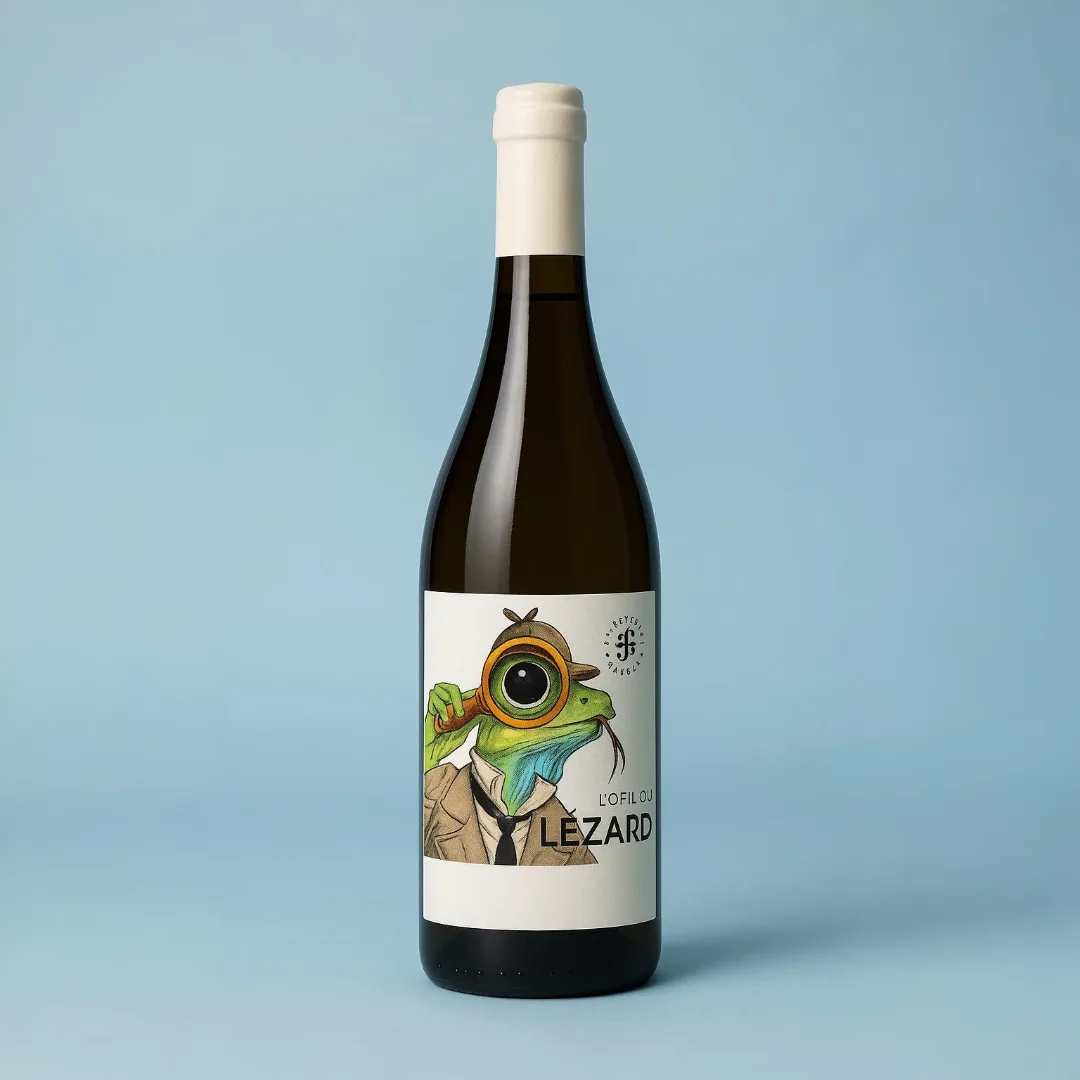
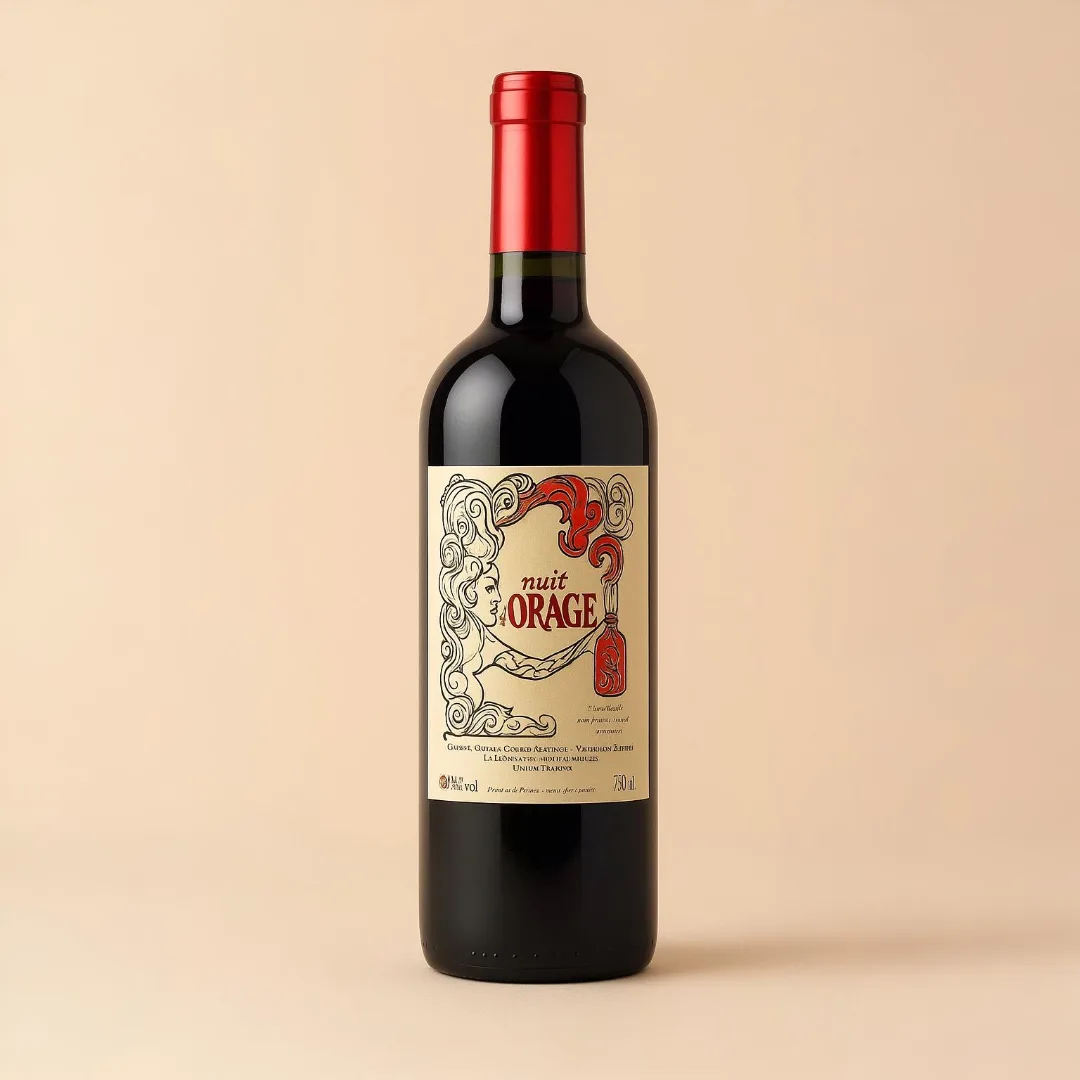
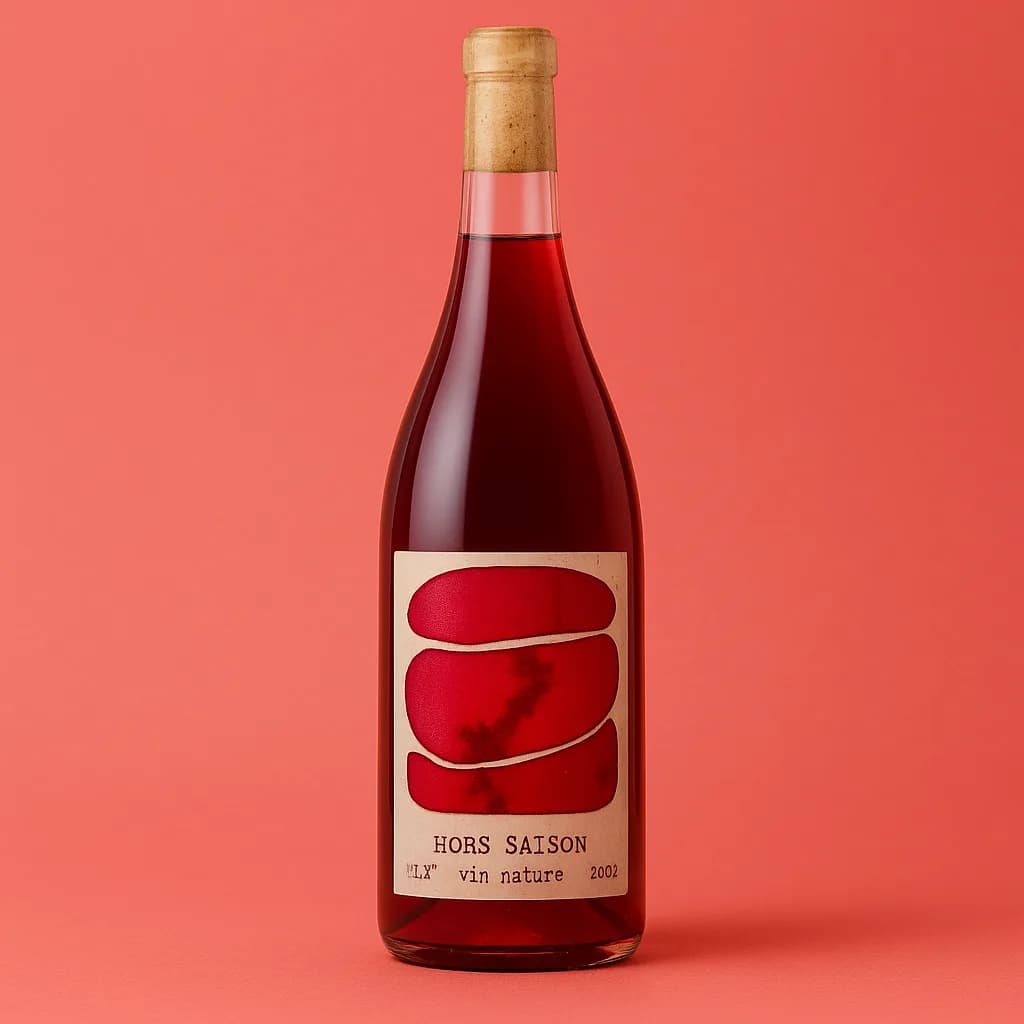
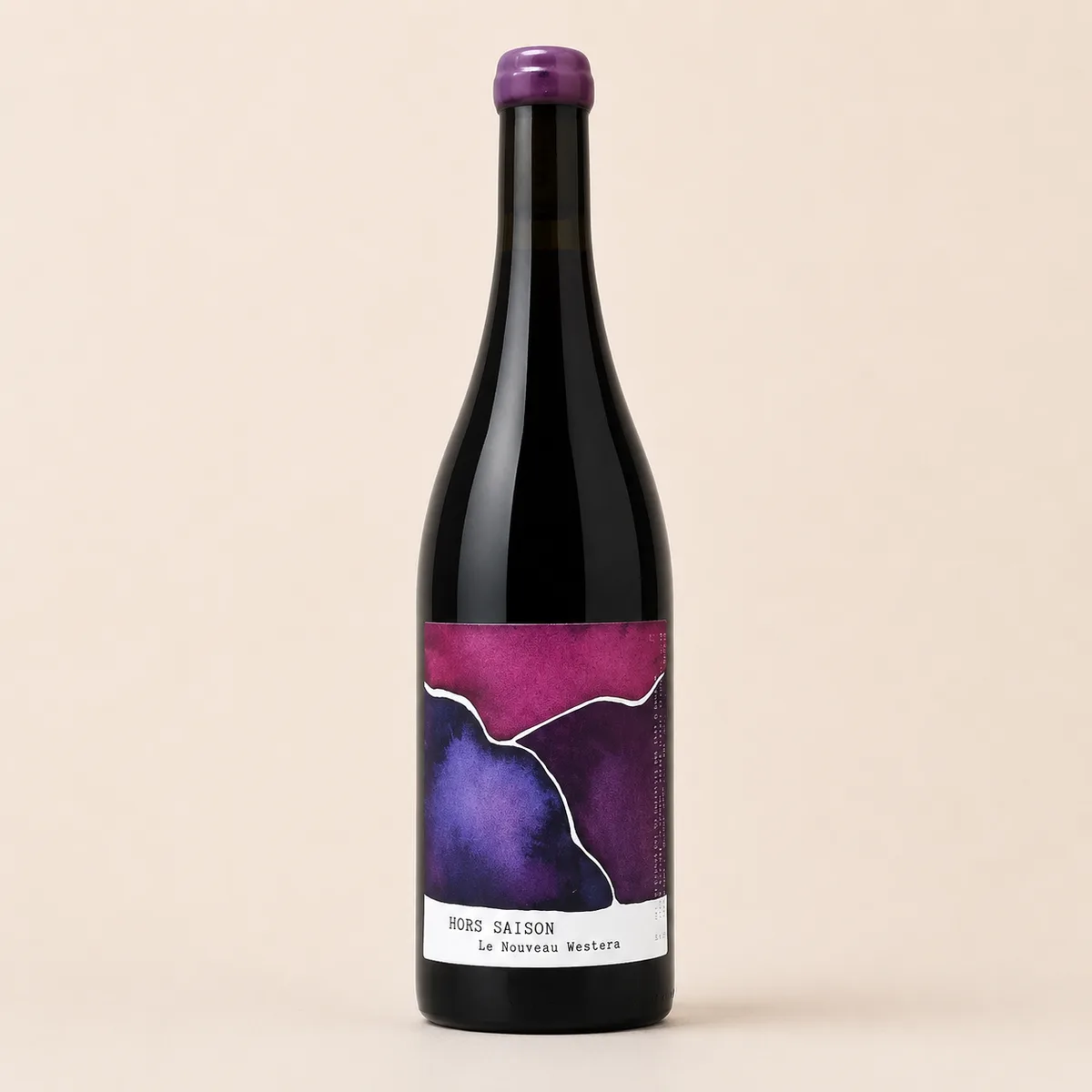
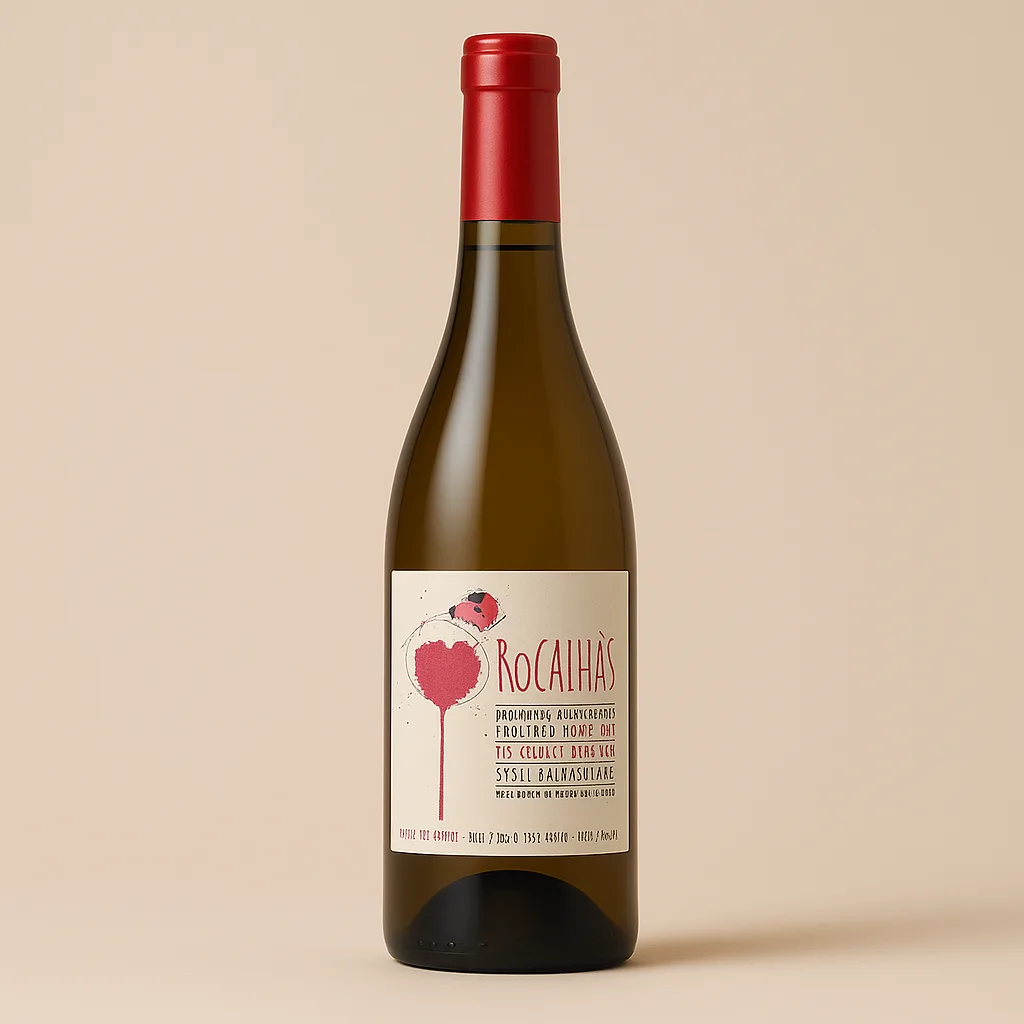
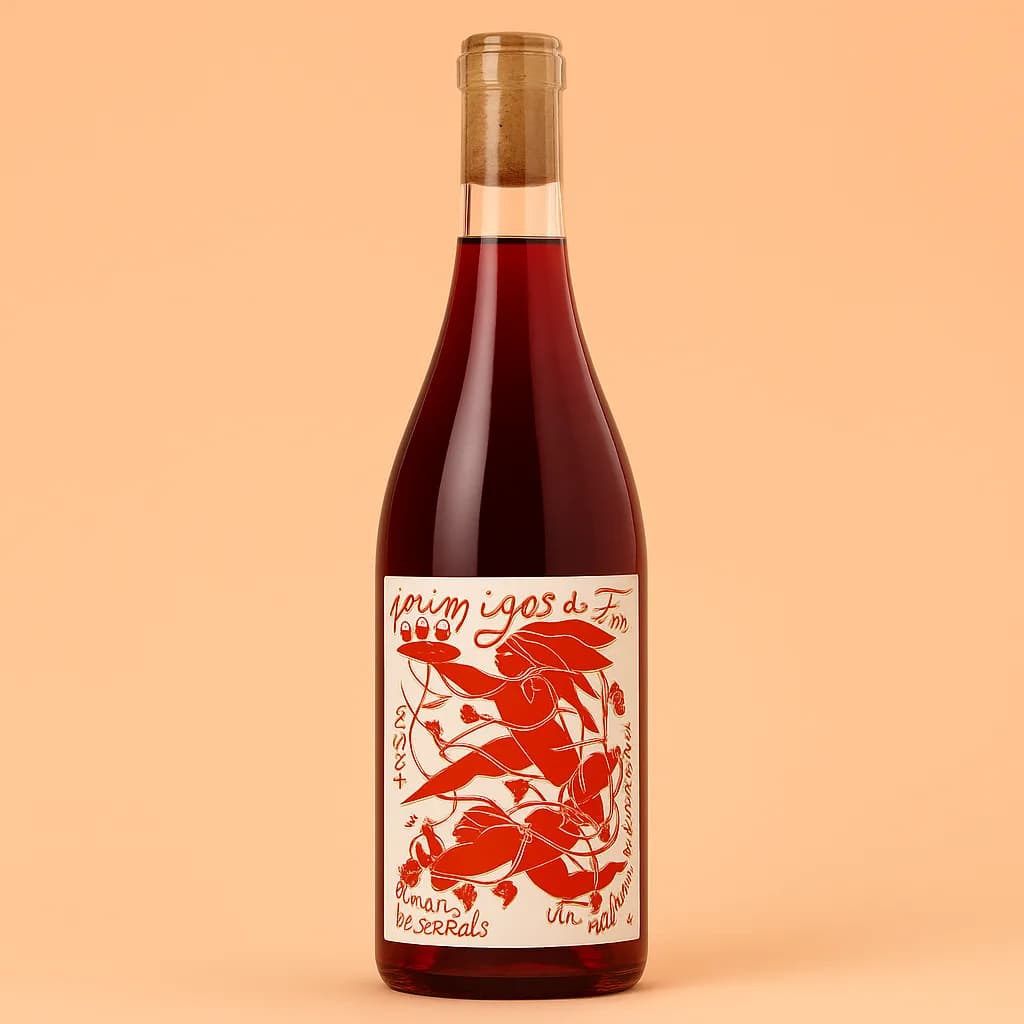
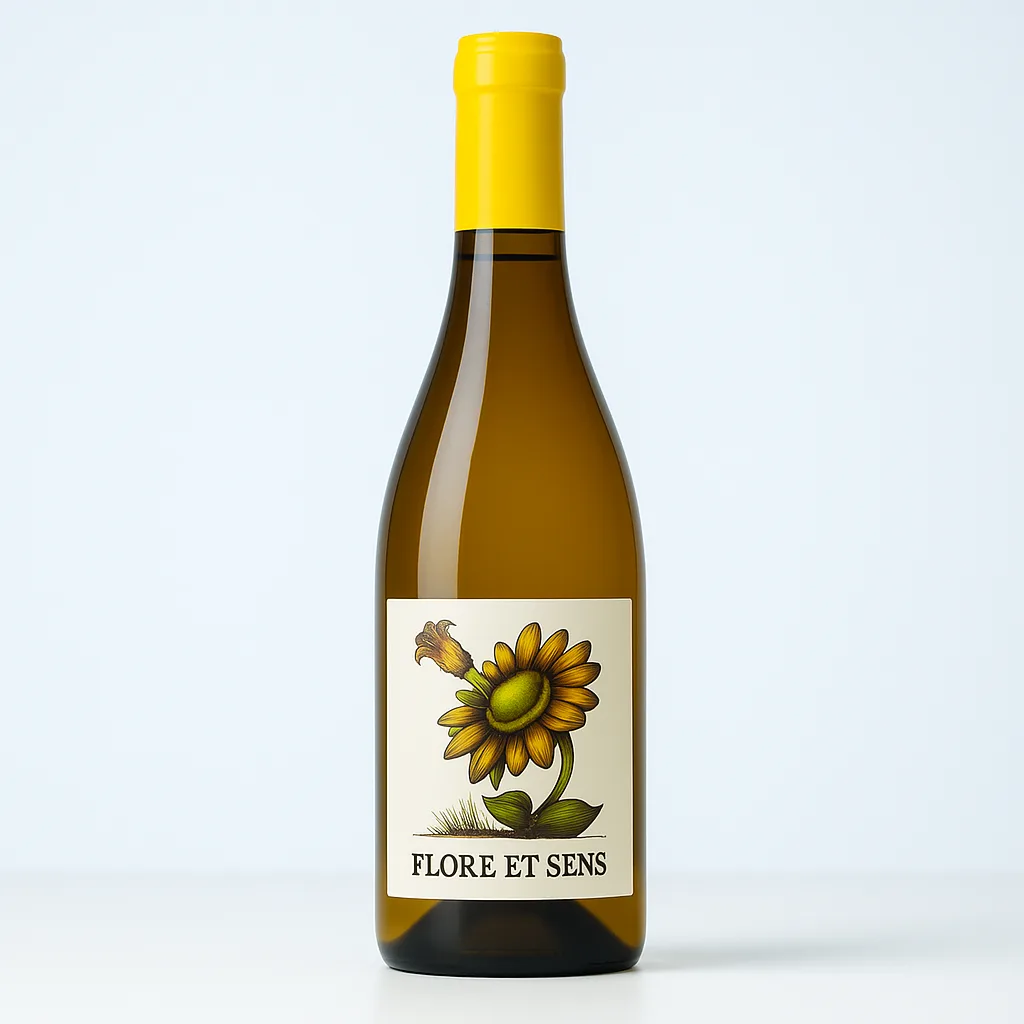
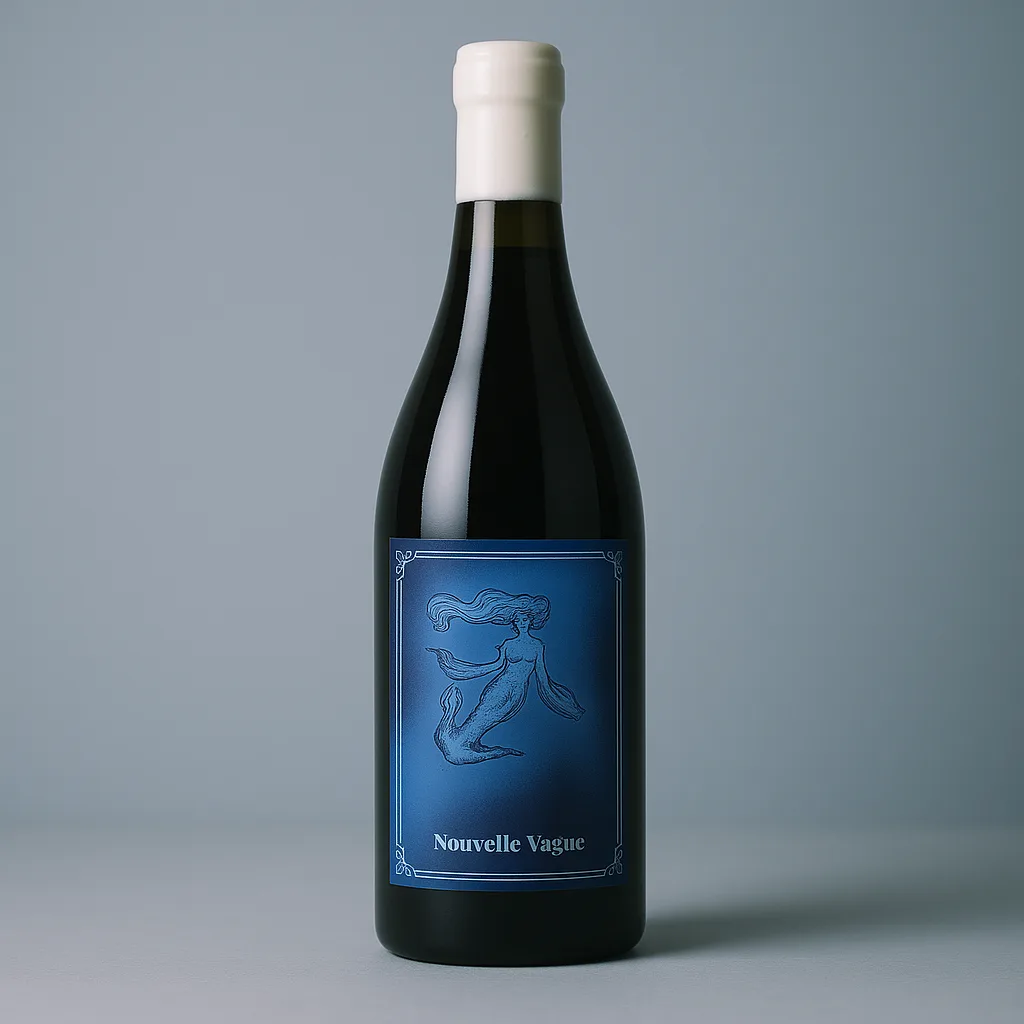
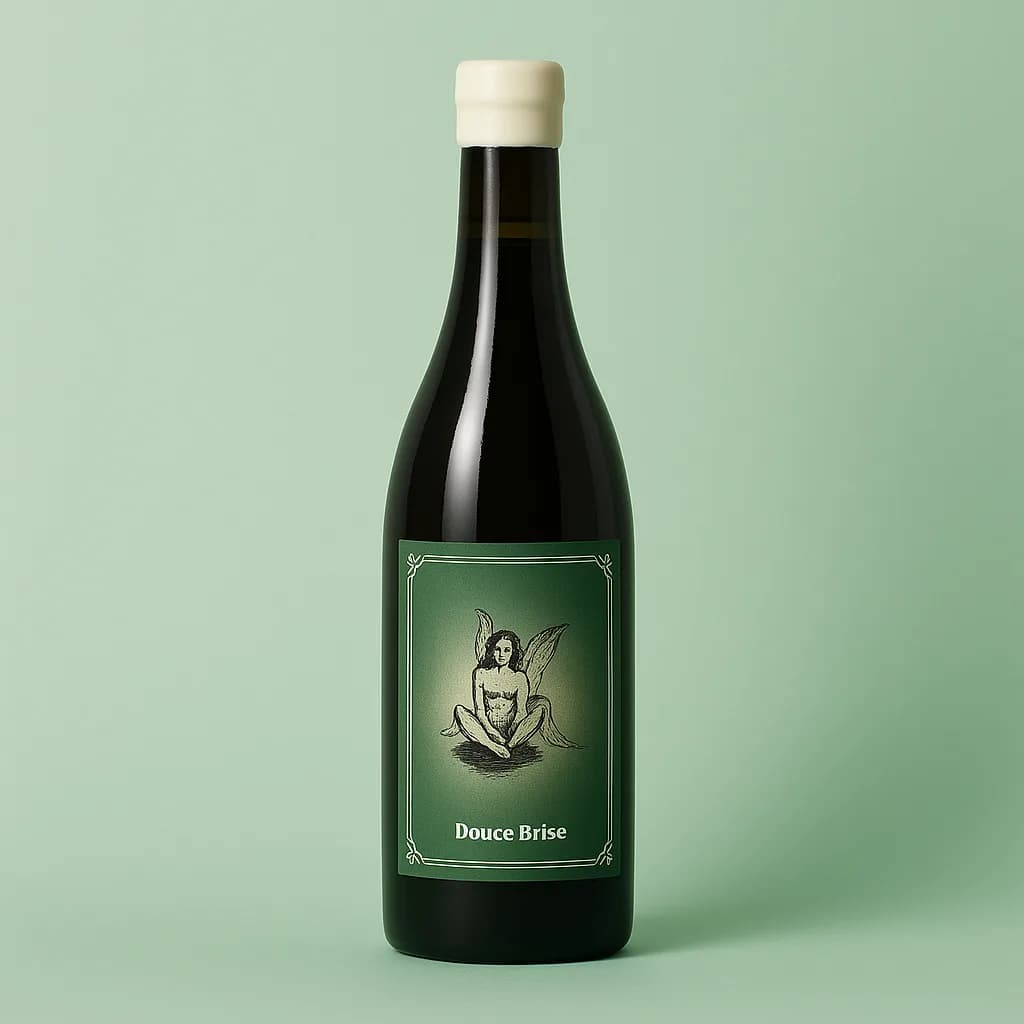
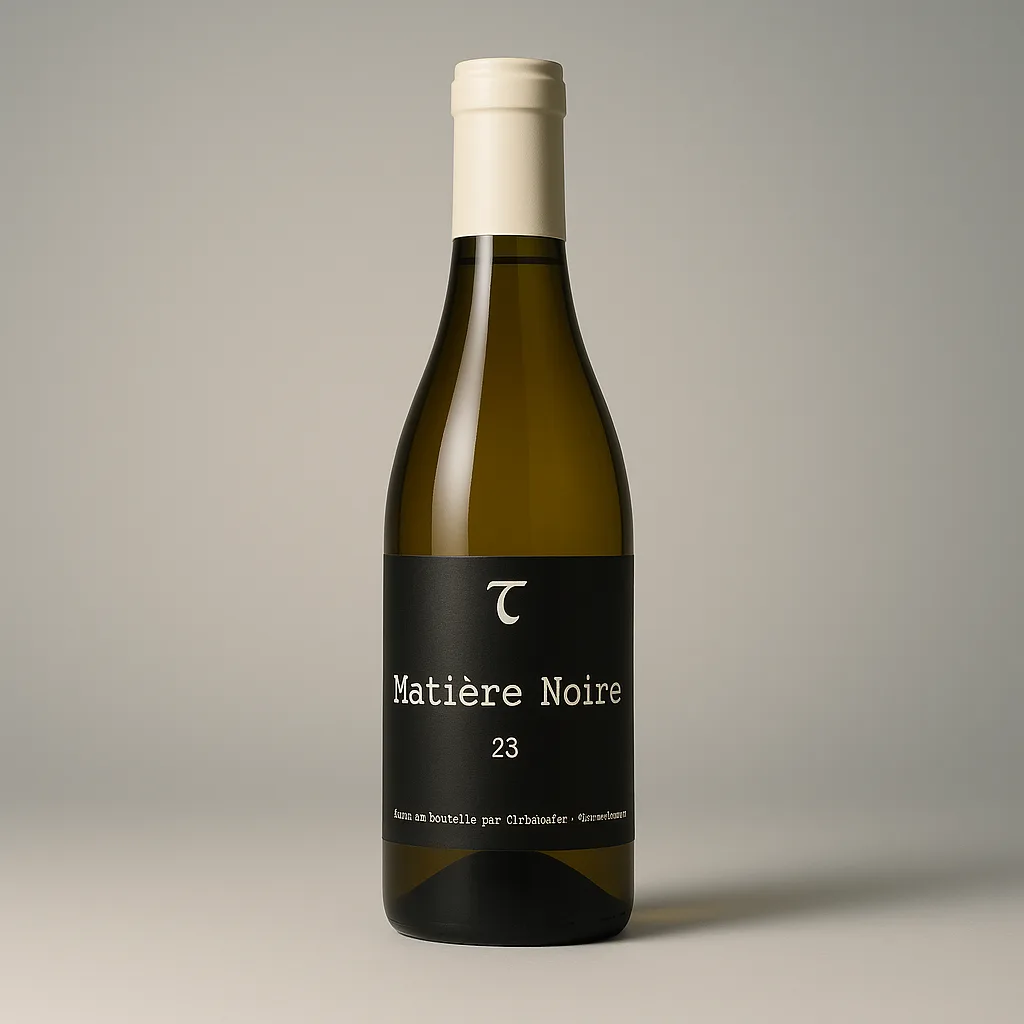
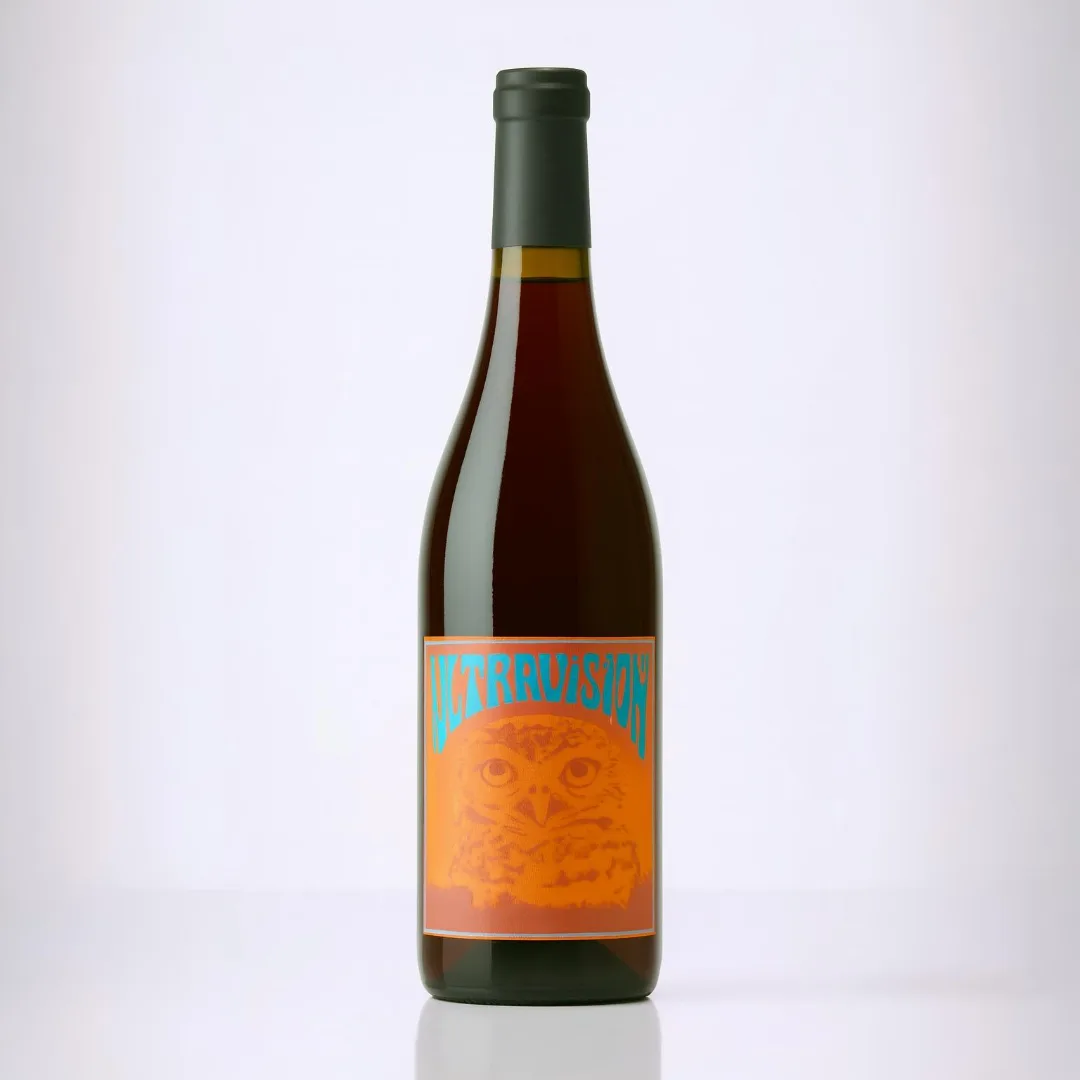
Grenache originates in Aragon in Spain, where it is called Garnacha, and is today one of the most planted grapes in southern France. It thrives in heat and drought, ripens late and builds high sugar levels — giving wines with generous fruit, soft tannins and often high alcohol.
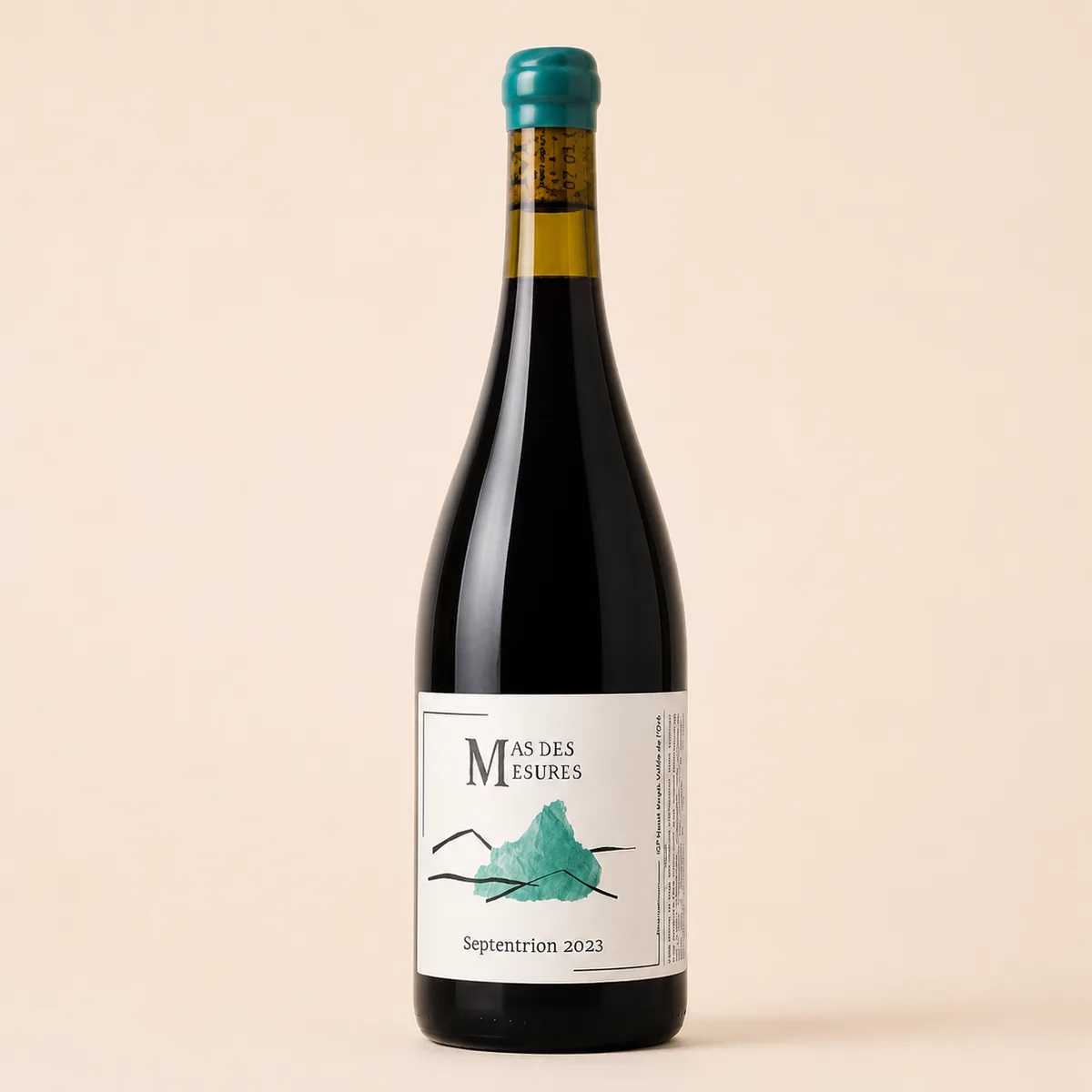
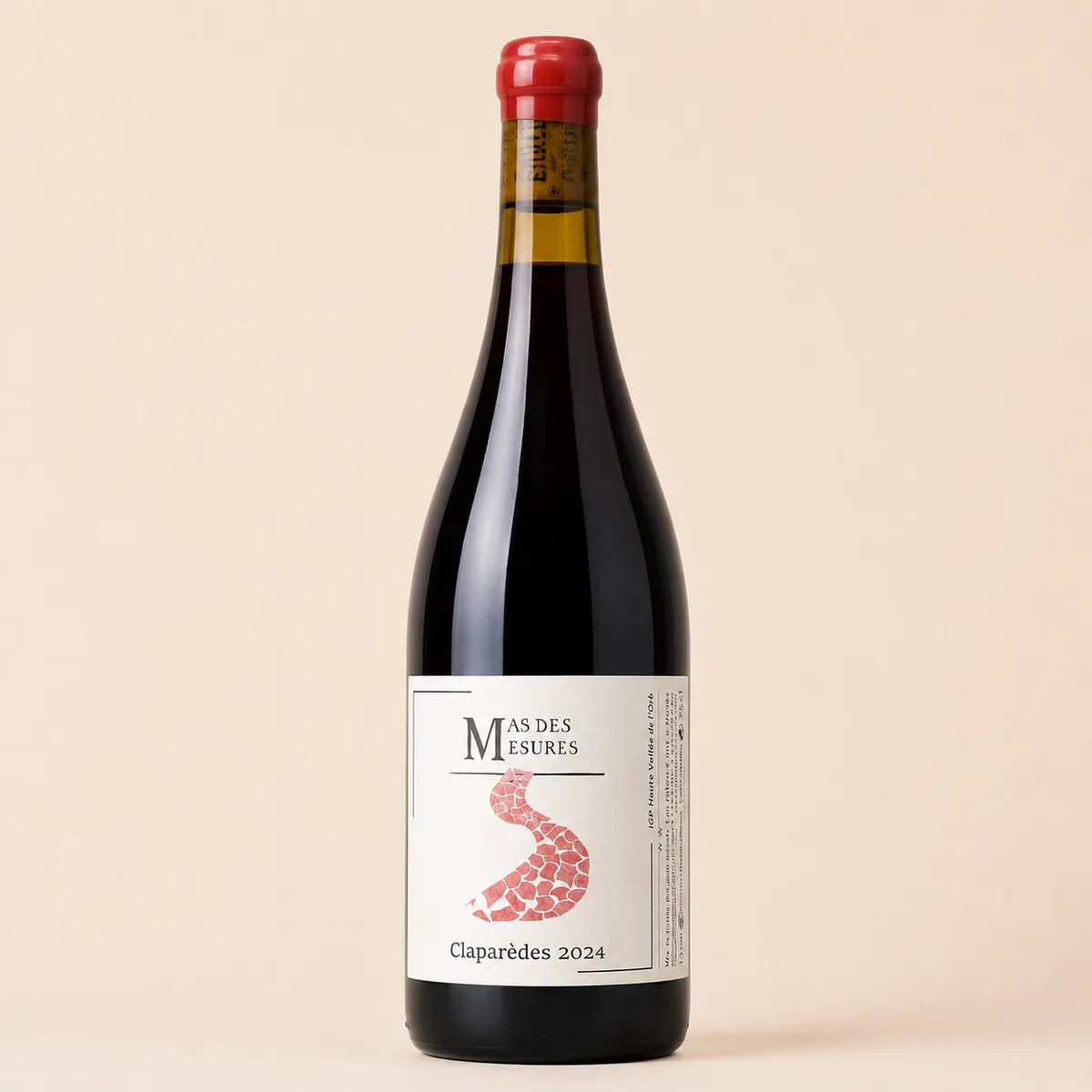
In Languedoc, Grenache shows its two faces. On the lowlands it gives round, fruit-driven wines with dark cherries and spice. But at altitude — like Claparedes and Septentrion from Haute Vallée de l'Orb at 300 metres — the acidity is better preserved and the wines gain a freshness and finesse that lift the grape beyond pure fruit. Pachorra from Faugères shows how schist soil gives Grenache a mineral backbone.
The natural wine producers at PACT work with Grenache both as a single variety and in classic Languedoc blends with Syrah and Carignan. What they share: old vines, low yields and vinification without additives.
Grenache is a rewarding food wine with its round fruit and soft structure. Pairs with lamb dishes, ratatouille, grilled vegetables, spiced sausages and Mediterranean cuisine. Serve at 15–17°C. The lighter altitude wines can be slightly chilled and also suit charcuterie boards.
We import Grenache directly from small producers in Faugères, Pic Saint-Loup and Haute Vallée de l'Orb. Old vines, organic or biodynamic farming, no additives.